News Flash
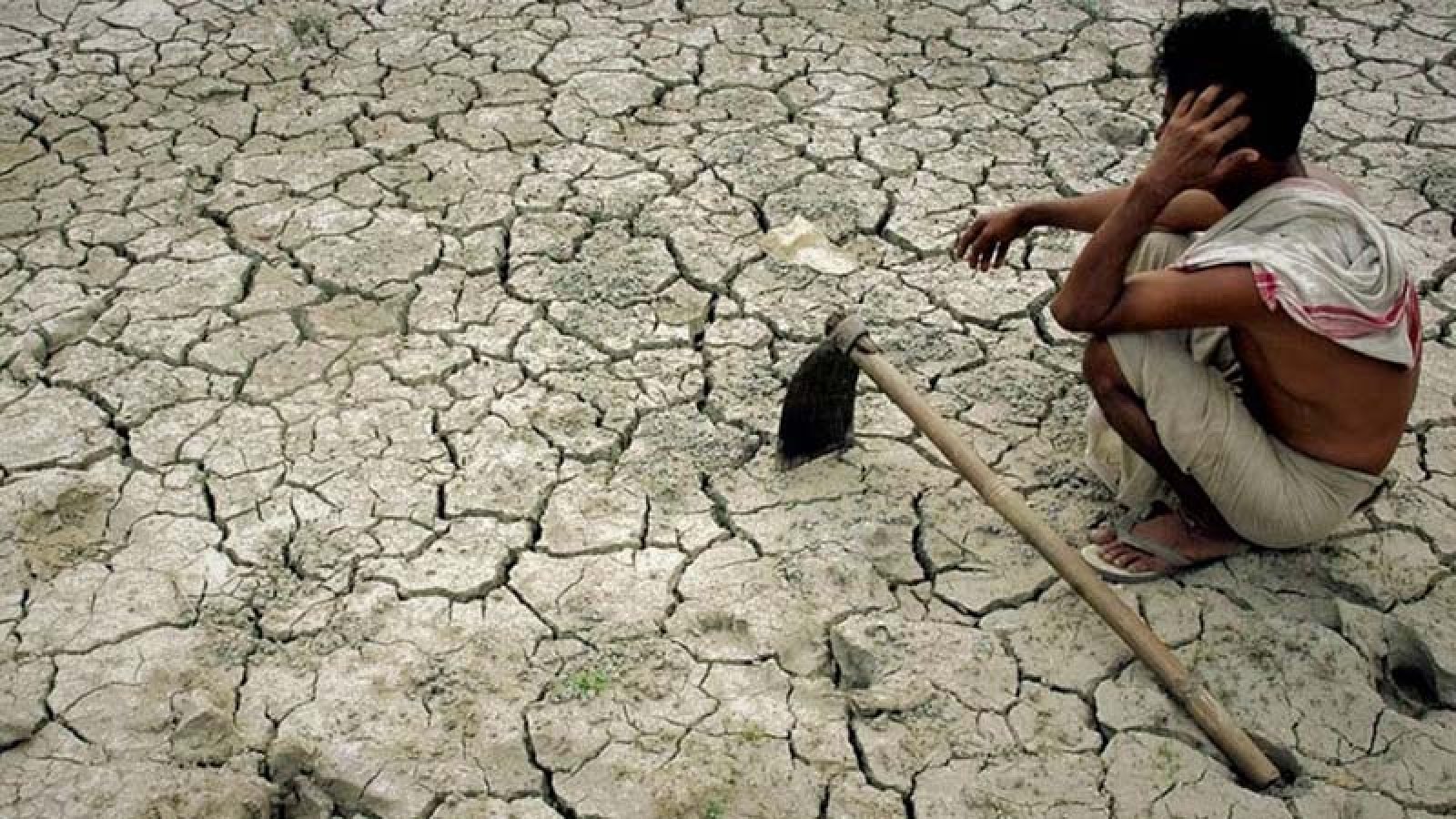
RAJSHAHI, March 30, 2026 (BSS)- Drought is increasing in the Barind region due to climate change. As a result, crop yields are declining. This has raised farmers’ production costs, while also intensifying the water crisis. This picture has emerged from a recent study and field-level observations.
The study, published on March 6 last in the ‘Environmental and Sustainability Indicators’ journal, identified declining groundwater levels and reduced crop production as the most severe impacts. It noted that farmers are being forced to adopt short-term coping strategies, which pose a threat to long-term agricultural sustainability.
Conducted between 2023 and 2024 by researchers from Bangladesh Agricultural University and Sher-e-Bangla Agricultural University, the study included discussions and interviews with informants.
A survey was carried out among 351 farmers in Tanore upazila of Rajshahi and Nachole upazila of Chapainawabganj.
According to the findings, drought has reduced rice production by nearly 36 percent and wheat production by up to 60 percent in some areas. Farmers believe the actual losses are even higher.
In Tanore, rice yields per bigha have dropped from 22–24 maunds to 14–16 maunds. In some areas, wheat production has declined by more than half.
The survey states that in years of severe drought, income losses can reach up to 40 percent. As a result, many farmers may shift to other occupations and even migrate from villages to cities.
Groundwater extraction remains the main strategy to cope with the crisis, with over 90 percent of farmers in the region relying on deep and shallow tube wells. This heavy dependence is rapidly depleting groundwater levels.
Farmer Zahidur Rahman from Dubai village said, “We used to get about 25 maunds of rice from one bigha of land. Now, due to drought and lack of water, it has dropped to just 14 maunds. Farming is becoming unprofitable due to rising irrigation costs and reduced water availability.”
Nur Islam, a farmer from Tanore, said, “Ten years ago, we could find water at a depth of 80–85 feet. Now it has gone down to around 130 feet. Many deep tube wells are becoming unusable. To cope with financial pressure, farmers are selling productive assets.”
The survey found that nearly half of the respondents have sold livestock or other assets, and more than 60 percent have taken loans during the drought season.
Mizanur Rahman, a farmer from Jumeirpara village in Nachole, said farmers often sell livestock to cover cultivation costs during droughts.
They are also frequently forced to take high-interest loans from NGOs or informal lenders.
Reduced income is also affecting food consumption patterns. Many families are cutting back on expensive foods like meat and relying more on cheaper alternatives such as eggs, fish, and vegetables.
The study also highlights inequality in water access. Ponds are often used for fish farming, and small farmers are frequently unable to use this water during droughts, as wealthier farmers control access.
Although farmers are adapting by diversifying crops and adjusting planting schedules, sustainable water management practices remain limited.
About 77 percent of farmers do not store water in ponds or reservoirs, and 87 percent have never practiced intercropping.
Researchers attribute this to a lack of awareness, financial constraints, and limited institutional support. Despite the crisis, practices such as rainwater harvesting and reuse are rarely adopted.
The study notes that farmers’ resilience depends more on access to extension services and their perception of drought severity than on income or education.
Farmers have complained about weak agricultural extension services and insufficient support. They also noted that irrigation costs are rising due to electricity shortages and reliance on private pumps, while surface water availability remains limited.
Researchers recommend reducing dependence on groundwater by increasing the use of surface water, promoting low-cost irrigation technologies, providing low-interest loans, and strengthening extension and climate advisory services.
Without coordinated interventions, drought will continue to undermine agricultural productivity and rural livelihoods in the region.