News Flash
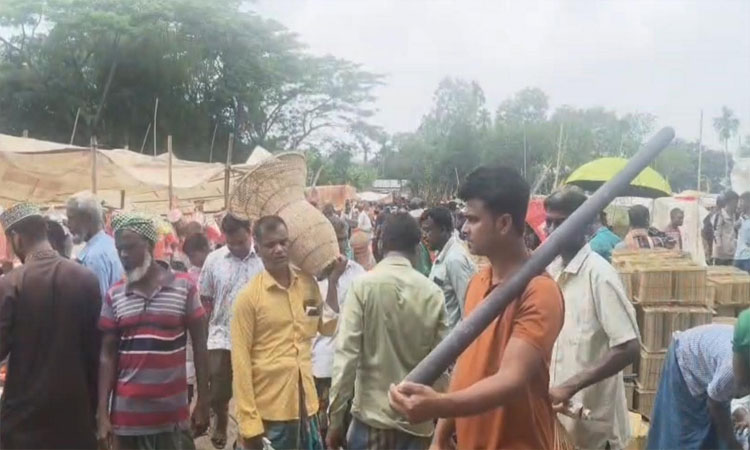
HABIGANJ, April 15, 2026 (BSS) - The centennial traditional Baishakhi Rural
Fair, locally known as "Banni", is being held today at Pir Bazar in
Chunarughat upazila of the district, marking the celebration of the Pahela
Baishakh.
The day-long fair began on Wednesday morning and will continue until night,
drawing thousands of visitors from across the country. Organised as part of
the Bengali New Year festivities, the event showcases the rich agricultural
heritage and cultural traditions of the region.
The main attraction of the fair is its extensive collection of agricultural
products. Farmers and traders are offering a wide range of tools and
equipment, including ploughs, yokes, hoes, scissors, ladders, and fishing
gear.
In addition, visitors are enjoying a vibrant display of clay utensils, hand-
made toys and traditional handicrafts.
Shopkeepers said that traders from multiple districts-- including Dhaka,
Kishoreganj, Brahmanbaria and Narsingdi-- have participated in this year's
fair, alongside vendors from northern regions of the country.
According to members of the organising committee, the fair primarily serves
the farming community, providing a one-stop marketplace for essential
agricultural goods. Large crowds have gathered to purchase equipment and take
part in the festivities.
Chunarughat Upazila Nirbahi Officer (UNO) Ziaur Rahman said that visitors
from various parts of the country have joined the event. Law enforcement
agencies are actively ensuring security throughout the programme, he added.
Historically, the fair began over a century ago as a small-scale religious
observance. Over time, it evolved into a major cultural and commercial event.
Today, it not only serves economic purposes but also acts as a platform for
cultural exchange, featuring rural performances and community gatherings.
For many attendees, the fair is a nostalgic experience-an opportunity to
reconnect with childhood memories while celebrating the traditions of rural
Bengal.
The Baishakhi fair in Chunarughat stands as a vibrant symbol of the region's
history, culture, and agricultural lifestyle.