News Flash
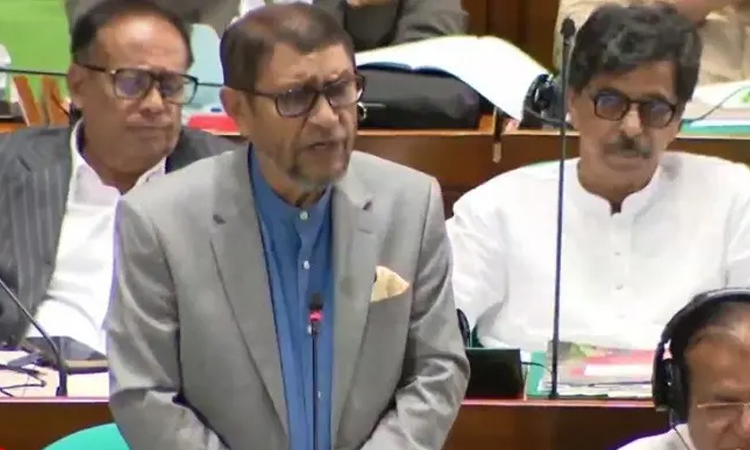
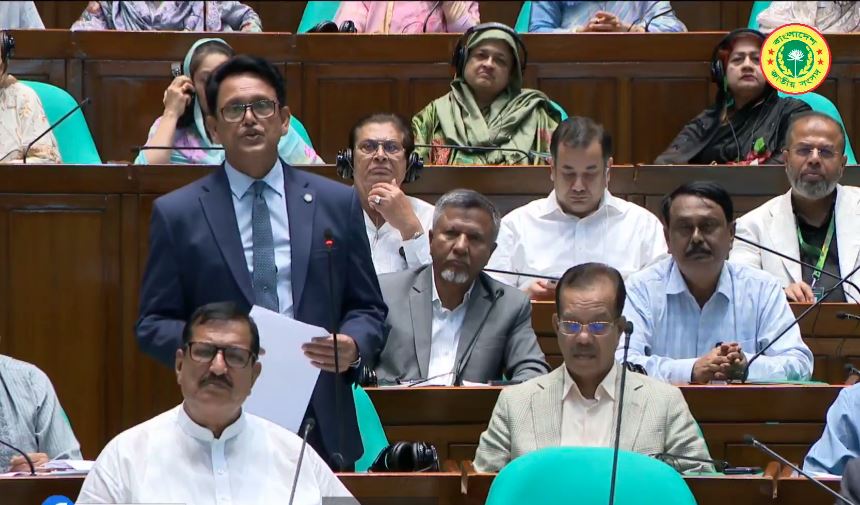
SANGSAD BHABAN, June 28, 2026 (BSS) - Health and Family Welfare Minister Sardar Md. Sakhawat Husain today said protecting the lives and health of the country's 180 million people remains the government's highest priority, stressing that there is no room for negligence, irresponsibility or dereliction of duty in healthcare services.
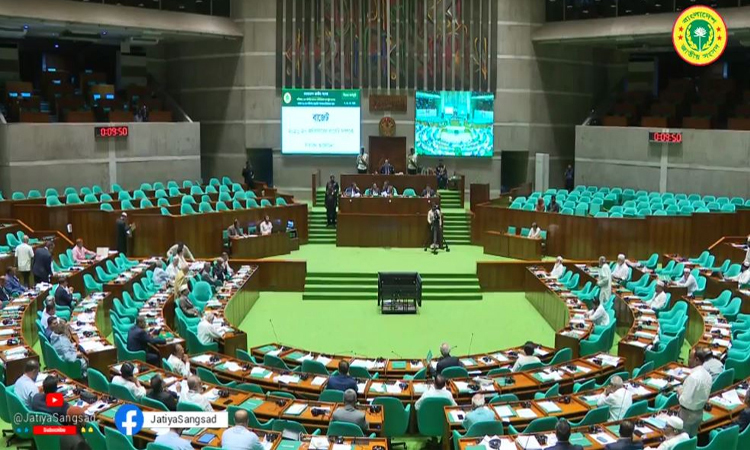
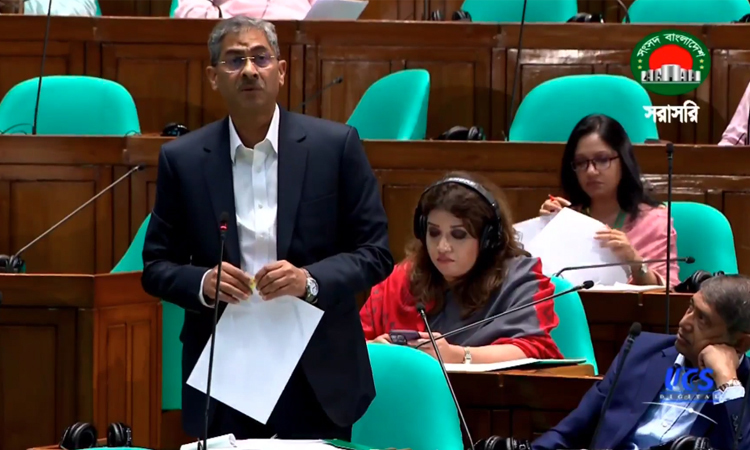
Participating in the general discussion on the proposed national budget for the fiscal year 2026-27 in the Jatiya Sangsad (JS), the minister said the government has suspended the licence of Ad-din Hospital after finding evidence of gross negligence and human error in the deaths of six newborns and has initiated legal action against those responsible.
Expressing deep condolences to the bereaved families, he said the government's responsibility does not end with offering sympathy, but extends to taking effective measures to protect people's lives.
"Bangladesh comes first. The lives, health and dignity of our 180 million people come first," he said.
With Speaker Hafiz Uddin Ahmad, Bir-Bikram, in the chair, Sakhawat Husain said the tragedy at Ad-din Hospital was not an ordinary accident but the result of serious negligence by the hospital authorities.
He said when the air-conditioning system in the neonatal room stopped functioning, no immediate corrective measures were taken. The room had no
windows and lacked adequate oxygen circulation, causing carbon dioxide to accumulate and leading to fatal hypercapnia among the newborns.
The minister said although 16 to 17 mothers desperately sought help during the incident, no duty doctor responded promptly. Later, after visiting the
hospital, he spoke to the physicians, who acknowledged that the deaths resulted from oxygen deficiency caused by negligence.
"We can't remain silent. We want to bring all hospitals in the country under proper discipline. Negligence involving human lives will not be tolerated," he continued.
The minister said comparisons with previous incidents at United Hospital or the National Burn and Plastic Surgery Institute were inappropriate, as those
were caused by electrical fires, whereas the Ad-din Hospital incident resulted entirely from human negligence and irresponsibility.
During his inspection, Sakhawat said, he also found a bakery operating inside the hospital building amid piles of plastic waste and serious fire safety hazards.
"In such an environment, had a fire broken out, it would have been impossible to save the lives of patients, attendants or healthcare workers," he added.
The health minister alleged that the hospital owner did not visit the site after the incident and instead replaced the administrative head by appointing
his wife as chief executive. He also said the announced compensation for the victims' families had not been fully implemented.
"We did not ask for anyone's head. We only suspended the licence. The investigation is continuing and the government will take appropriate action. But, this tragedy should not be turned into a political issue," he said.
Highlighting the proposed budget, the minister said the FY2026-27 budget has placed the health sector at the centre of public welfare through a number of
landmark initiatives aimed at making healthcare more accessible and
affordable.
He said a nationwide Health Card programme would be introduced to expand healthcare coverage, while the planned recruitment of 100,000 health workers
would both strengthen healthcare services and create employment opportunities.
To reduce treatment costs, he said, customs duties on pharmaceutical raw materials, particularly Active Pharmaceutical Ingredients (APIs), have been
lowered. Taxes on expensive medical services and equipment, including cancer treatment and kidney dialysis, have also been reduced to decrease people's out-of-pocket healthcare expenditure.
"This is not merely a budget of figures; it is a qualitative budget aimed at improving people's quality of life, ensuring health protection and strengthening social security," he said.
The minister also said the government has attached equal importance to environmental protection and public health by launching the "One Child, One
Tree" programme, encouraging every child to plant a tree for a healthier future.
Calling upon lawmakers to rise above political differences, he urged all to work together to ensure safe healthcare for the people, saying protecting citizens' lives and health remains the government's foremost priority.