News Flash
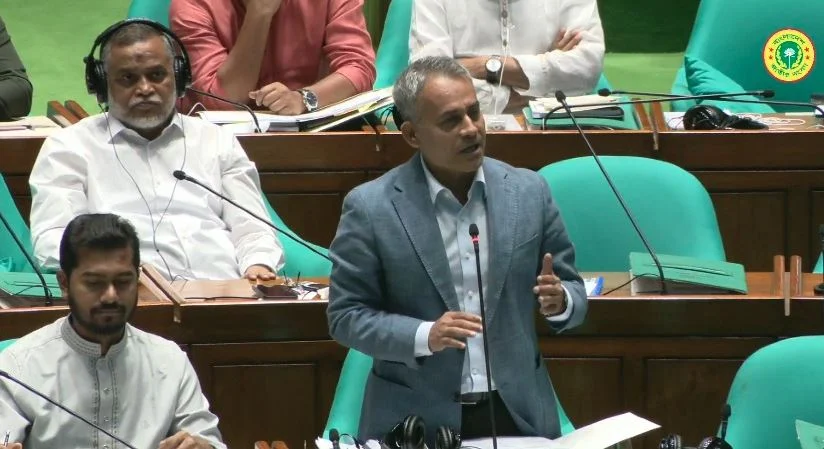
SANGSAD BHABAN, Sept 9, 2026 (BSS) - The government has taken a series of measures to prevent road accidents on national, regional and district highways, including upgrading highways to four lanes, constructing service lanes, installing overpasses and underpasses, conducting road safety audits
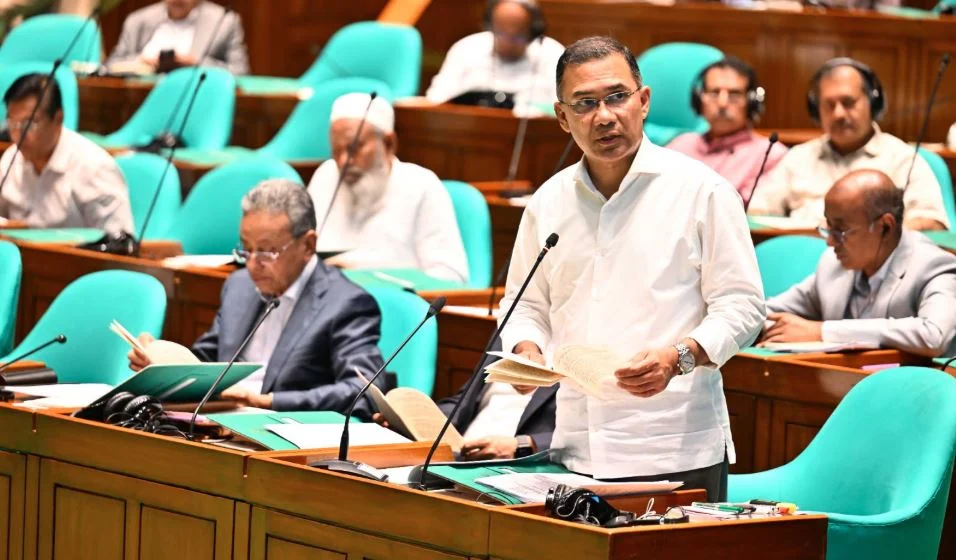
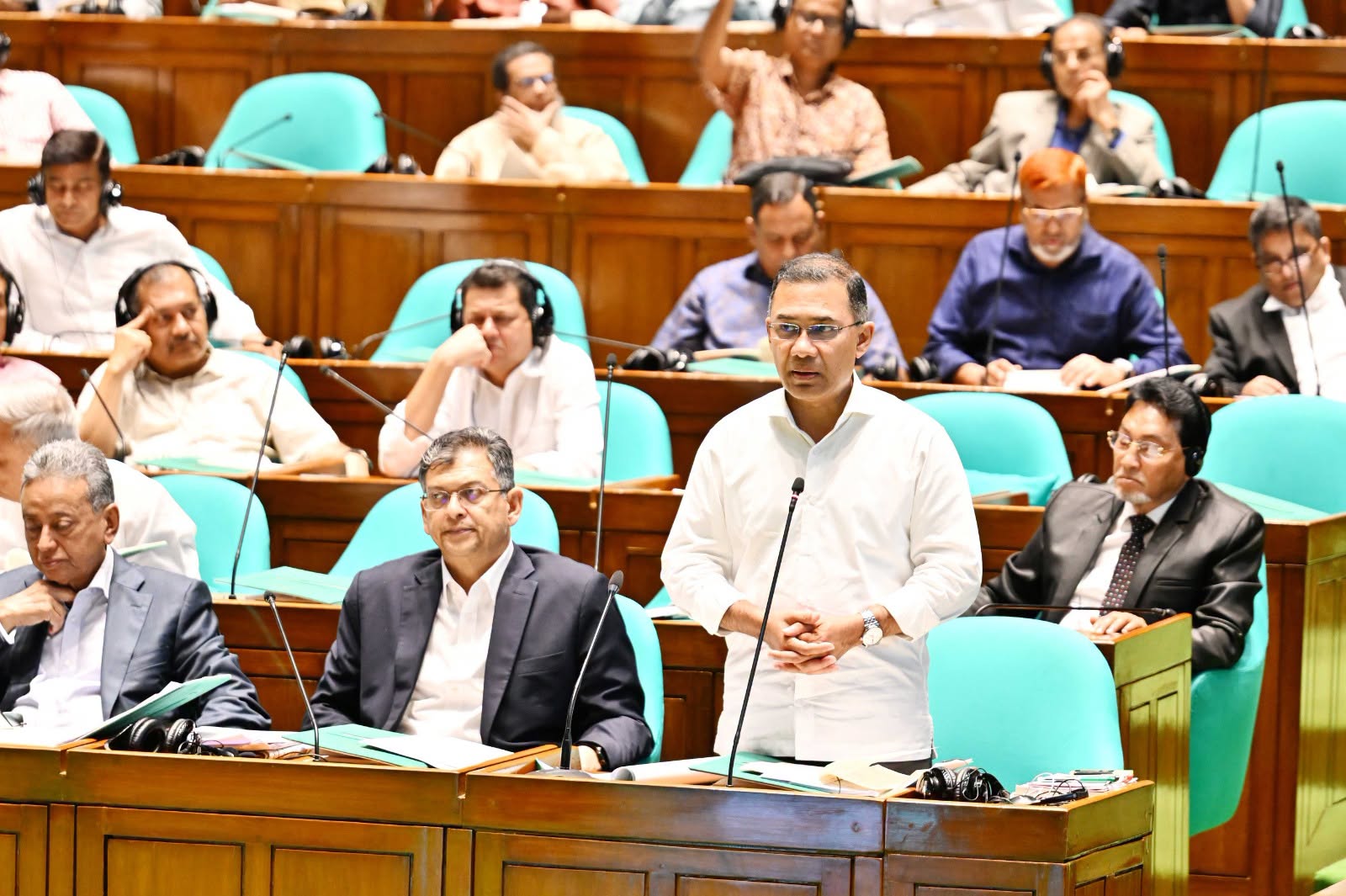
and making identified accident-prone black spots safer in phases, Road Transport and Bridges Minister Shaikh Rabiul Alam told parliament today.
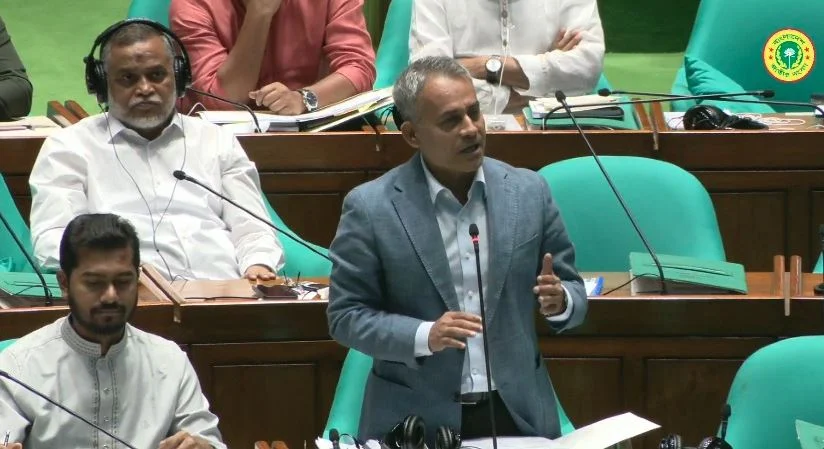
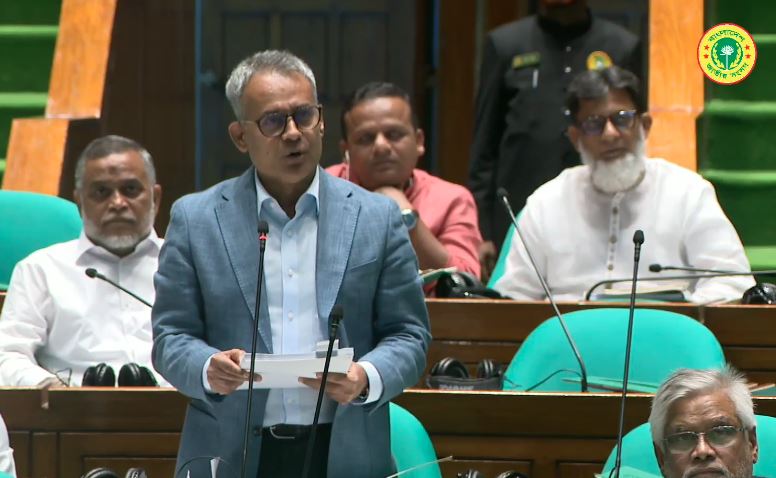
Replying to a scripted question from treasury bench member Shah Md. Wares Ali Mamun (Jamalpur-5) in the House, the minister said the Roads and Highways Department (RHD) has undertaken various plans to establish a safe road communication system across the country.
"Various highways are being upgraded to four lanes to prevent head-on collisions among vehicles and to construct separate lanes or service lanes for non-motorised vehicles," he said.
Rabiul said the government is also constructing overpasses, underpasses and railway overpasses at busy intersections and railway crossings to reduce traffic congestion and prevent collisions between trains and vehicles.
With Speaker Hafiz Uddin Ahmed, Bir Bikram, in the chair, he said the RHD conducts road safety audits from time to time to assess technical road-safety issues on existing roads and ongoing projects and recommend necessary measures.
"Through road safety audits, various technical aspects of road safety on existing roads and ongoing road projects are being examined and necessary measures are being recommended accordingly," he said.
He said the RHD also obtains technical opinions and vetting on geometric design and road-safety measures before undertaking road construction projects. The department has also taken steps to update its design manuals and guidelines.
The minister said a pilot project is being implemented with assistance from the Korean government's Korean International Cooperation Agency (KOICA) to install an Intelligent Transportation System (ITS) on national highways.
"The ITS enables real-time monitoring of vehicle movements and helps detect speeding, illegal parking, traffic congestion and road accidents, ensuring immediate action," he said.
He said the World Bank is providing financial assistance for the $360 million Bangladesh Road Safety Program (BRSP), which includes establishing a road safety cell, a modern accident information centre, digital enforcement and post-crash response systems, as well as road safety awareness, vehicle
inspection and driver training facilities.
The minister said the government has also planned measures such as footbridges and raised pedestrian crossings near educational institutions and industrial zones to ensure safer movement of vulnerable road users.
He said accident-prone black spots identified by the Highway Police, field-level officials and various studies are being made safer in phases.
The minister also highlighted a project to establish four modern rest areas with parking facilities for goods vehicle drivers along four major national highways-- Dhaka-Chattogram, Dhaka-Sylhet, Dhaka-Rangpur and Dhaka-Khulna.
Four such facilities are being established in Cumilla, Habiganj, Sirajganj and Magura, he said, adding that the facilities will give long-distance drivers opportunities to take adequate rest and help reduce accidents caused by fatigue and reckless driving.
Besides, work has started to establish axle-load control centres on important highways to control overloading by goods vehicles, the minister said.
Regarding the construction of dividers, Shaikh Rabiul Alam said the government does not plan to install them uniformly on every highway. Instead, it will consider traffic demand, road capacity, accident risk, land
availability and future traffic requirements while upgrading highways.
"The national highways under the Roads and Highways Department will be widened or upgraded in phases based on need and priority. Median/divider construction will be considered during development works based on traffic demand, road capacity, accident risk, land availability and future traffic requirements," he said.
He added that existing national highway sections where divider construction has become necessary because of traffic pressure and road-safety concerns are receiving priority for necessary measures.