News Flash
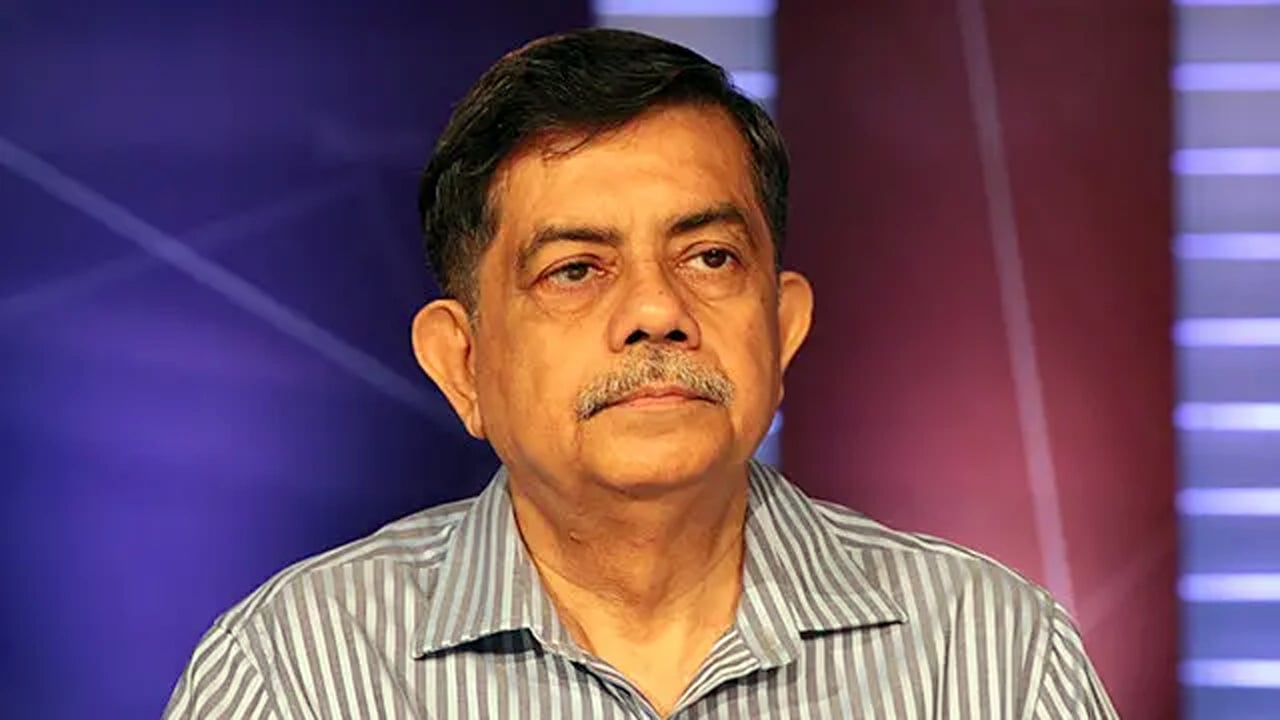
DHAKA, Jan 28, 2026 (BSS) - Education Adviser Prof Dr C R Abrar today called for strengthening combined and integrated initiatives to preserve and promote Bangladesh's tradition, culture and handicrafts.
"We have to create an environment where national heritage can develop spontaneously," he said.
The adviser made the remarks while speaking as the chief guest at a dialogue titled "Tangail Tant: Ownership of Heritage and Potential of Industries", held at the International Mother Language Institute auditorium here at noon.
Prof Abrar said the international recognition of Bangladesh's traditional handloom industries-particularly Tangail tant saree and Jamdani-was the result of collective efforts.
"This is not the achievement of any single institution. It has been possible through the combined efforts of all stakeholders, including the Ministry of Cultural Affairs, the National Museum, and the Ministry of Foreign Affairs," he said. The programme was organized by the Bangladesh National Commission for UNESCO.
He stressed the need for proper recognition of the role of artists and craftsmen directly involved in the handloom industry. He also emphasized forming a specialized panel of lawyers to strengthen intellectual property rights, Geographical Indication (GI) protection, and the overall legal framework.
The education adviser further underscored the importance of ensuring the rights and dignity of handloom artists, preparing updated lists of national heritage, and including traditional and cultural education in the national curriculum. He added that government intervention is also necessary to keep the rising prices of raw materials within a tolerable limit.
Secretary of the Secondary and Higher Education Division under the Ministry of Education Rehana Parvin, also the Secretary General of the Bangladesh National Commission for UNESCO, spoke as a special guest, while Professor of Anthropology at Jahangirnagar University Masud Imran presented the keynote paper.
The dialogue discussed in detail issues related to the ownership of Tangail handloom, community rights, branding, market development, as well as the existing challenges and possible solutions of the handloom industry.
Senior officials from different ministries and agencies, researchers, handloom artists, entrepreneurs, designers, and representatives of civil society attended the programme.