News Flash
DHAKA, May 17, 2026 (BSS) - Unhealthy lifestyles, poor food habits, stress, lack of exercise, sleep disruption, and excessive screen time are leading to hypertension alarmingly among people particularly youths.
Health experts said consumption of fruits and vegetables among youths is declining, while smoking, drug use, air pollution, and noise pollution are emerging as major causes for rising hypertension.
Talking to BSS marking the occasion of World Hypertension Day noted physician and professor of medicine Dr. Abul Kalam Azad said one in every five young people in Bangladesh is currently affected by high blood pressure.
He said foods such as chips, pickles, burgers, pizza, soft drinks, and foods high in sugar and salt for increasing blood pressure among the youth. People who work sitting for long periods are at greater risk of developing hypertension, Prof Kalam, also pro-VC of BMU said.
Mugda Medical College Vice-Principal Professor Dr. Mohammad Shahabul Huda Chowdhury said more than half of the people of 50-year age group are either suffering from hypertension or at the risk of developing it. He expressed concern over the increasing number of young professionals affected by high blood pressure.
Professor Dr. Sohel Reza Chowdhury, head of Epidemiology and Research Department at National Heart Foundation Hospital and Research Institute said hypertension and heart disease are no longer limited to older adults, as similar trends are now being observed among younger people as well.
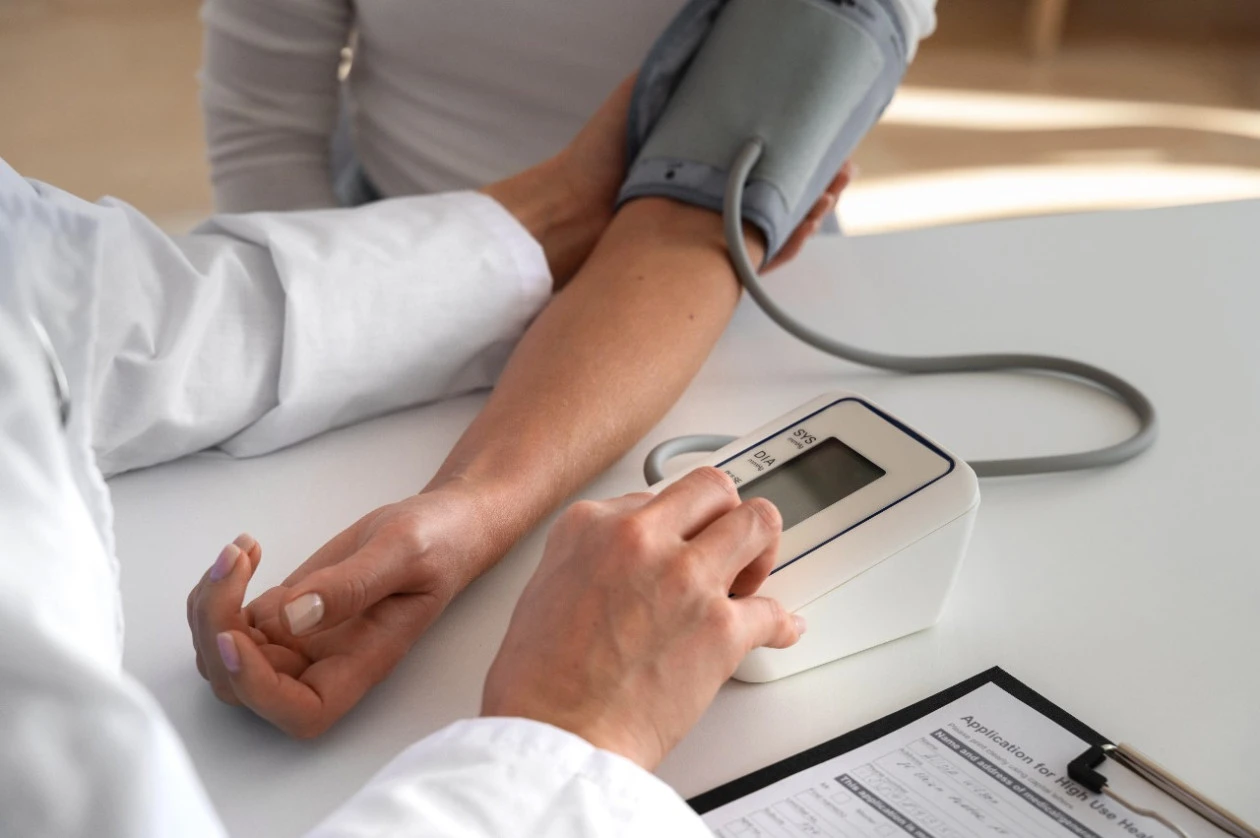
He said healthier diets, lifestyle changes, and regular blood pressure testing could help reduce the growing prevalence of hypertension among the younger population.
Health experts urged people not to wait for symptoms before seeking medical attention, emphasizing that regular blood pressure check, healthy eating habit, stress management, exercise, and proper sleep can save lives and prevent long-term complications.
Dr. Md. Hasan Farooq Bhuiyan, a cardiologist of NICVD said more young adults are developing high blood pressure because of unhealthy routines, physical inactivity, and rising mental stress.
He noted that over 90 percent of hypertension cases are idiopathic, meaning they have no direct medical cause, while a smaller number are linked to conditions such as kidney disease, thyroid disorders, or pregnancy-related complications.
Dr. Hasan said the growing popularity of fast food over the last decade has significantly contributed to hypertension. Restaurants and roadside eateries often reuse cooking oil multiple times, producing unhealthy fats that damage blood vessels and increase cholesterol levels.
“When oil is reheated repeatedly, it creates harmful fats that contribute to stiffness in blood vessels and increase blood pressure and cardiovascular risks,” he said.
He also highlighted how changing work culture, particularly the rise of work-from-home practices, has disrupted sleeping habits and biological rhythms.
Many people now stay awake late at night, spend long hours in front of screens, and fail to get enough sleep, all of which affect hormonal balance and gradually increase blood pressure.
According to Dr. Hasan, younger generations are becoming less physically active than previous generations. Outdoor games and exercise are increasingly being replaced by mobile phone use, online gaming, and social media, resulting in sedentary lifestyles that increase the risk of hypertension and other cardiovascular diseases.
Stress and anxiety are also major contributors to hypertension. Dr. Hasan explained that mental pressure triggers the release of cortisol, a hormone that directly increases blood pressure. He said stress-related hypertension affects not only office workers dealing with deadlines and job pressure, but also homemakers managing family responsibilities and childcare.
Describing hypertension as a ‘silent killer’, Dr. Hasan warned that the disease often develops without noticeable symptoms while silently damaging the heart, brain, kidneys, and eyes. Many people avoid health check-ups because they fear lifelong medication, but uncontrolled hypertension can lead to severe complications.
He said prolonged high blood pressure forces the heart to work harder, causing thickening of heart muscles, irregular heartbeat, and eventually heart failure. Sudden spikes in blood pressure caused by stress, anger, or lack of sleep can rupture blood vessels in the brain and trigger strokes, one of the leading causes of death and disability worldwide.
According to the World Health Organization, nearly 20 percent of adults in Bangladesh are suffering from hypertension. The WHO’s 2025 report stated that 283,800 people in Bangladesh died from heart disease-related illnesses in 2024, and 52 percent of those deaths were linked to high blood pressure.
The Bangladesh Demographic and Health Survey 2017–2018 found that nearly 40 percent of people aged 35 and above have hypertension, compared to 26 percent in 2011.
Among men, the rate increased from 20 percent to 34 percent, while among women it rose from 32 percent to 45 percent. The survey also revealed that 51 percent of women and 67 percent of men with hypertension are unaware that they have the condition.
High blood pressure is now one of the top three causes of death and disability in Bangladesh. Every year, around 277,000 people in the country die from heart disease-related illnesses, with hypertension being one of the leading causes.
According to the Bangladesh Bureau of Statistics’ Health and Morbidity Status Survey 2025, hypertension ranks first among the top 10 diseases in the country.