News Flash
DHAKA, July 12, 2026 (BSS) - Water and climate experts have called for resilient urban planning, restoration of natural waterways and strengthened water management systems to reduce the impacts of floods and waterlogging.
Bangladesh, they said, has the experience and capacity to better cope with seasonal monsoon challenges through science-based planning and preparedness.
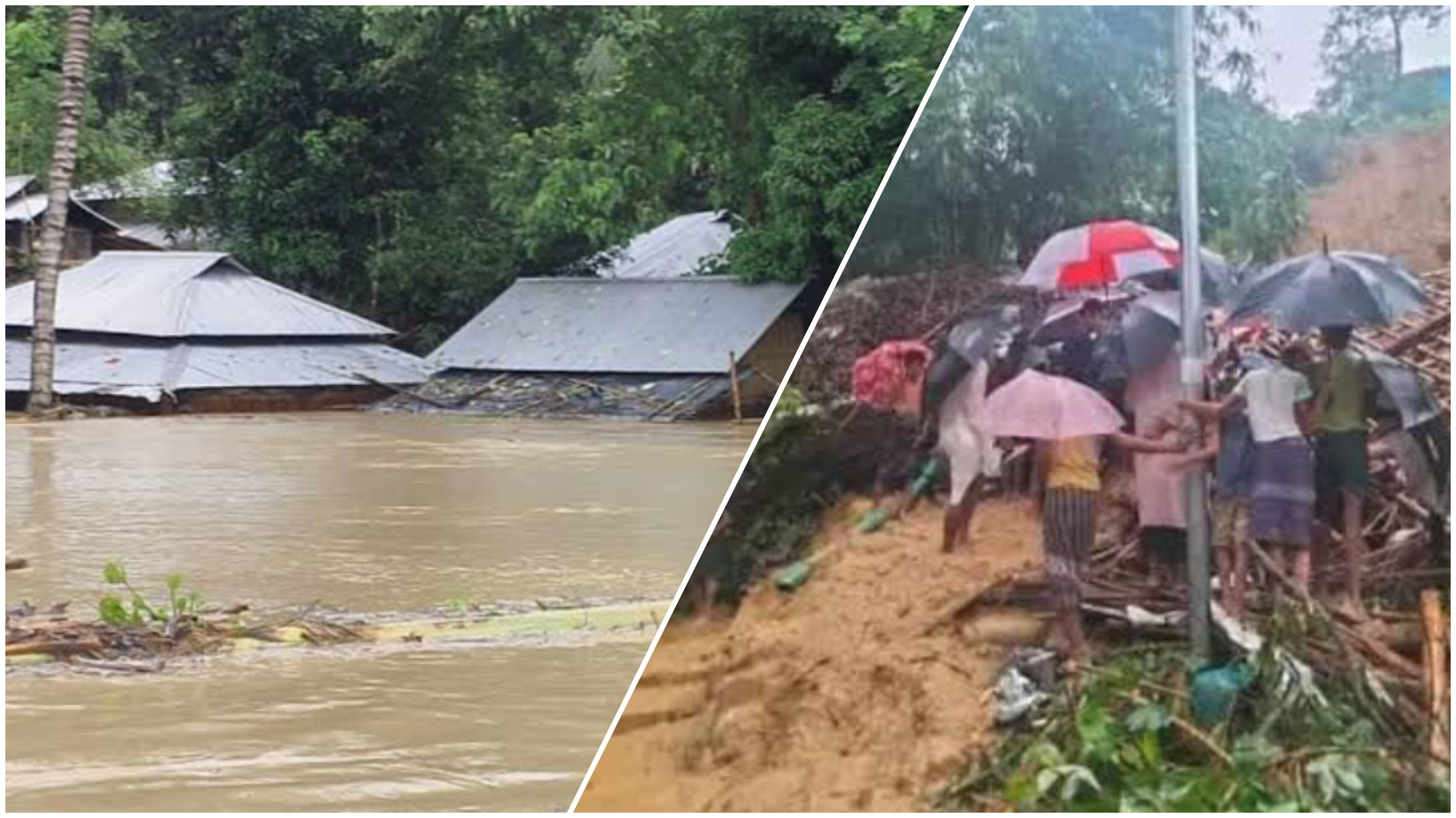
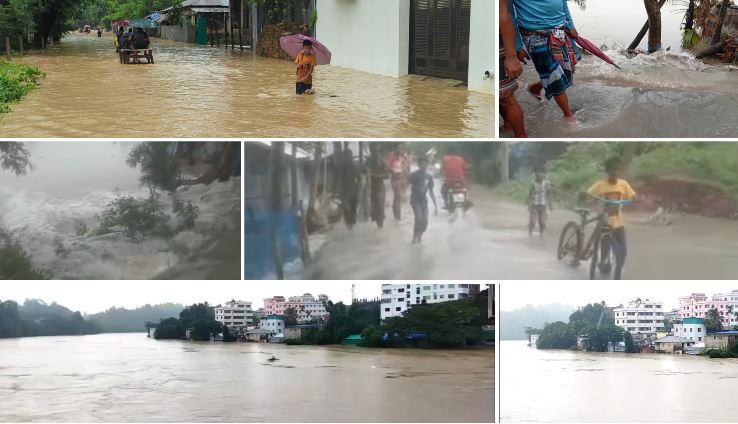
Talking about the ongoing floods in different parts of the country, eminent water resources and climate change expert Professor Ainun Nishat and Professor A.K.M. Saiful Islam called for improved planning, efficient drainage infrastructure and stronger community preparedness are essential to enhancing the country's resilience.
Professor Nishat said heavy rainfall during the Bengali month of Ashar is a normal feature of Bangladesh's monsoon climate and remains vital for agriculture and water resources.
"This is the time when it is supposed to rain. If it doesn't rain now, then when will it?" he said.
The challenge, he said, lies not in the rainfall itself but in ensuring that rainwater can flow naturally through canals, wetlands and drainage systems.
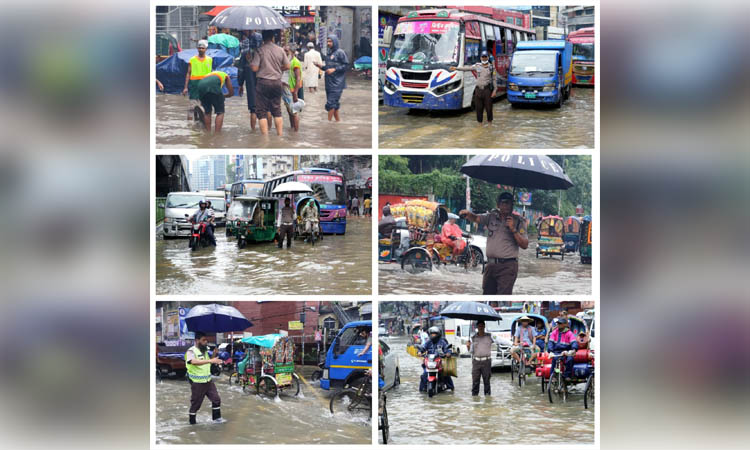
He said many natural drainage channels have disappeared due to unplanned urbanisation, while roads, embankments and other infrastructure have often been built without adequate water outlets.
Restoring canals, protecting wetlands and incorporating proper drainage facilities into future infrastructure projects would significantly reduce flooding and prolonged waterlogging, he said.
Professor Nishat observed that Bangladesh's traditional geography and farming systems were once well adapted to seasonal flooding, with ponds, wetlands and indigenous rice varieties helping retain and gradually release rainwater.
He said preserving these natural features alongside modern engineering solutions would strengthen the country's climate resilience.
The noted water expert also stressed the importance of analysing rainfall over long historical periods, saying that Bangladesh has experienced similar heavy monsoon rainfall in the past.
Looking ahead, he warned that climate change is likely to increase the variability of rainfall patterns, making long-term water management, improved urban planning and restoration of natural waterways increasingly important.
On disaster management, Professor Nishat said Bangladesh should continue strengthening community resilience through improved infrastructure, preparedness and adaptive planning alongside emergency relief efforts.
"We should prepare people to cope with disasters instead of depending primarily on relief distribution," he said.
Professor A.K.M. Saiful Islam said Bangladesh experiences different forms of flooding-including river floods, flash floods and urban flooding-each requiring tailored management strategies.
He explained that the current spell of heavy rainfall resulted from a monsoon depression that carried large volumes of moisture from the Bay of Bengal into the country's eastern region, where hilly terrain further intensified rainfall through orographic effects.
The exceptionally heavy rainfall naturally exceeded the carrying capacity of rivers and drainage systems in some areas, he added.
Professor Islam said climate change is contributing to more intense rainfall events worldwide as rising temperatures allow the atmosphere to hold greater amounts of moisture.
At the same time, he said that better urban planning can substantially reduce the impact of such extreme weather.
Rapid urbanisation has reduced wetlands, canals and open spaces that once absorbed rainwater, while encroachment on natural water bodies has weakened drainage connectivity, he observed.
Effective enforcement of building regulations, protection of ponds and canals, and conservation of green spaces would make cities significantly more resilient, he said.
Professor Islam also highlighted the importance of improved solid waste management, saying regular cleaning of drainage channels and greater public awareness would restore drainage capacity and reduce urban flooding.
He said that stronger coordination among government agencies, improved weather forecasting, functional radar systems and timely early warning mechanisms would help minimise losses by enabling authorities and communities to prepare in advance.
The BUET professor said municipalities and city corporations have a key role in implementing master plans, protecting water bodies, preventing canal encroachment and promoting planned urbanisation.
About river management, he said regular maintenance of embankments and measures to curb illegal sand extraction would further strengthen flood protection.
Both experts agreed that Bangladesh's long experience in disaster management, combined with science-based planning, improved infrastructure and active public participation, provides a strong foundation for building greater resilience against future floods and waterlogging.
Their observations come as the government continues coordinated rescue, relief and rehabilitation operations in flood-affected areas under the Prime Minister's directives, while relevant agencies remain engaged in preparedness and response efforts to protect lives and property.
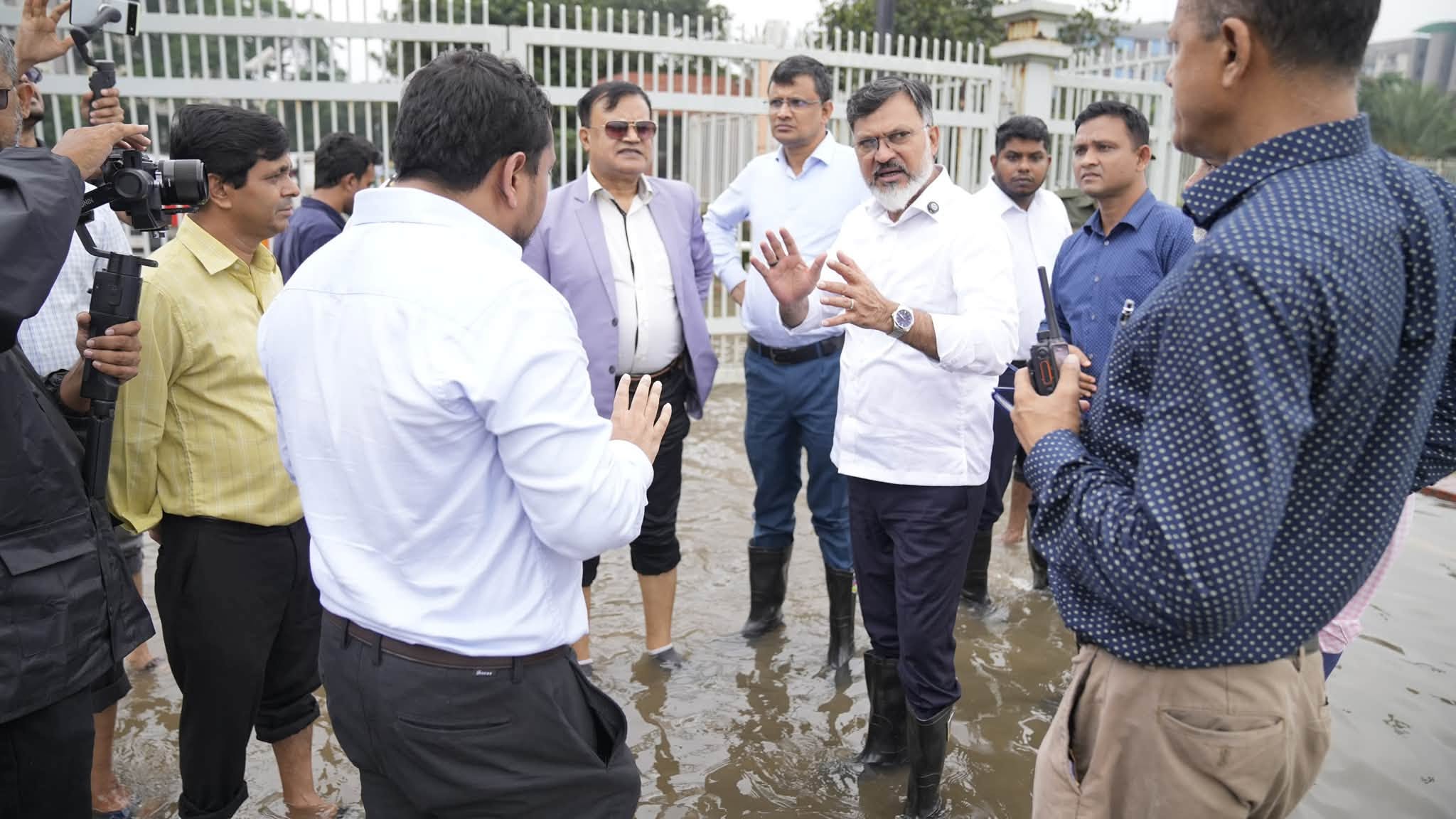
Meanwhile, State Minister for Disaster Management and Relief M Iqbal Hossain visited flood-hit areas in the Chattogram Hill Tracts and said the government would continue extending full support to victims of floods and landslides for as long as necessary.
He said Prime Minister Tarique Rahman is closely monitoring the overall disaster situation and has directed the authorities to continue providing food assistance and relief materials to affected people.
The government has allocated Tk 4.60 crore in cash and 8,950 metric tonnes of rice for humanitarian assistance across all 64 districts since July 7 to support people affected by floods and other natural disasters.