News Flash
By Al-Amin Shahriar
BHOLA, May 1, 2026 (BSS) - Fishing operations resumed across Bhola at midnight on Thursday following the conclusion of a two-month government-imposed ban aimed at enhancing hilsa output and conserving juvenile fish (jatka).
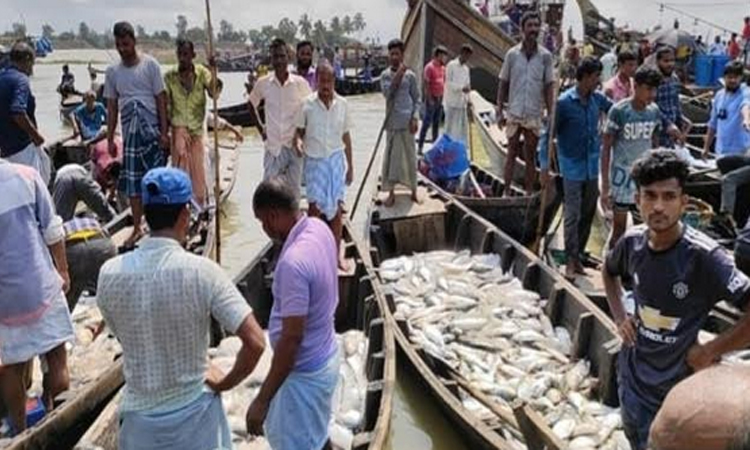
Fishermen returning to the district’s rivers have already begun netting significant quantities of hilsa, restoring activity to the coastal waterways after the seasonal suspension.
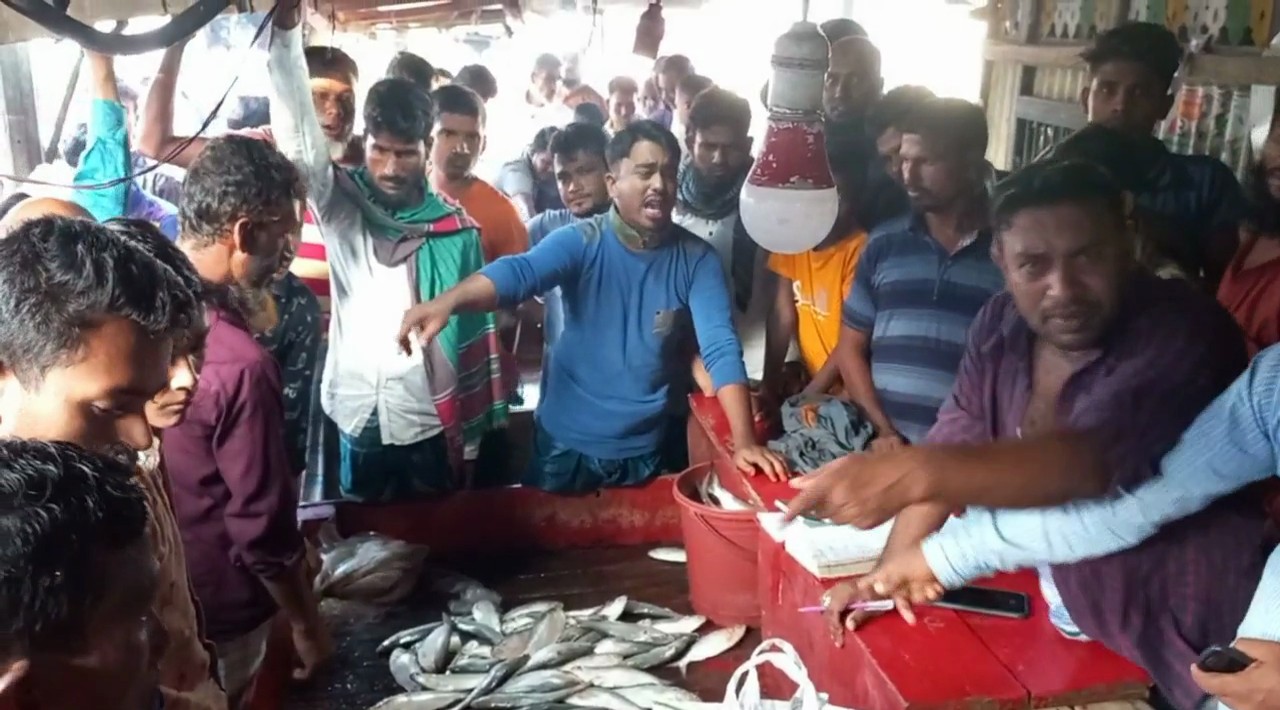
On visiting the fish markets (arats) in Ilisha on the outskirts of the town this morning, it was observed that fishermen brought in large quantities of hilsa caught overnight.
However, as it is the first day of harvesting, prices are quite high. Still, many buyers are eager to enjoy hilsa regardless of the cost and are crowding the markets. One-kilogram hilsa is being sold for Tk 2,000 to Tk 2,200, while depending on size, prices range from Tk 1,000 to Tk 1,500 per kg.
Due to the 60-day fishing ban, most fishermen in Bhola received government assistance.
They said that, unlike before, they faced no difficulties in receiving aid this time as there was no interference from middlemen. Since the ban ended at midnight, fishermen have returned to the rivers and are reportedly catching large quantities of hilsa, leaving them delighted.
The nets that remained dry for two months are now being cast again into the turbulent waters of the Meghna River, bringing in various types of fish. There is widespread joy among fishermen’s families.
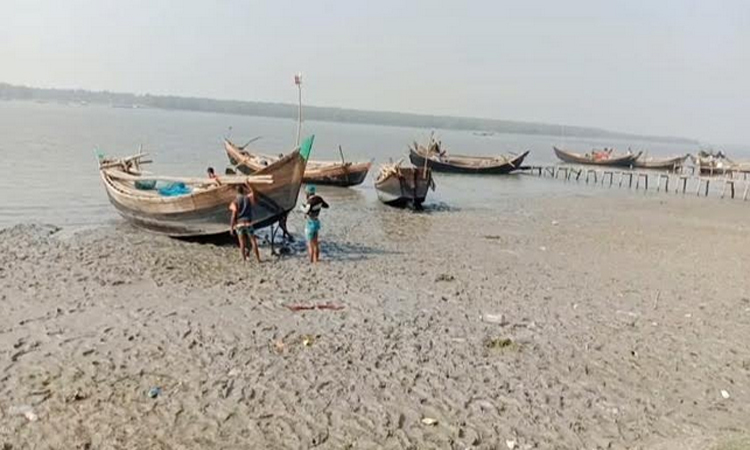
At around 8am today at Shibpur Fish Landing Center in Bhola Sadar, groups of fishermen were seen heading to the river to fish.
Fishermen Abdur Rashid, Abul Kalam Majhi, and Rabiul Majhi told BSS that while they complied with the ban and refrained from fishing for two months, some dishonest individuals were caught by joint forces while fishing illegally.
They added that if all fishermen in the district are brought under government assistance, the ban will be 100percent successful every year.
At Ilisha Fish Landing Center, markets have resumed operations after being closed for two months. Auctions have restarted, and fish trading is in full swing. Surrounding tea stalls, grocery shops, and restaurants are also bustling with customers and traders.
Abul Bashar Badsha Mia, President of the Bhola Arat Owners Association, told BSS that since fishing resumed at midnight Thursday, markets have come alive from early morning with the usual buying and selling activities. He expressed hope for a plentiful supply of hilsa and other types of fish this season.
From March 1 to April 30, the government enforced a two-month ban on all fishing in the rivers of Bhola. During this period, fishing was prohibited in six hilsa sanctuaries, including the Meghna, Tetulia, Kalabadar, Betua, Buragouranga, and Ilisha rivers.
To implement the ban, the Department of Fisheries conducted awareness meetings and distributed leaflets among fishermen.
During the ban, fishermen were not allowed to enter the Meghna, Tetulia, and adjacent rivers to help increase hilsa production.
Bhola District Fisheries Officer Md Iqbal Hossain told BSS that representatives from the Coast Guard, River Police, Fisheries Department, fish traders, and fishermen participated in awareness programmes.
He added that fishing of all kinds was prohibited within a 190-kilometer area covering two sanctuaries in the Meghna and Tetulia rivers.
As a result, conservation of juvenile hilsa and an increase in overall fish production have been achieved. Awareness campaigns continued throughout the two months in local markets, fishing communities, landing centers, and wholesale markets, he said.
Hossain also mentioned that loan installments for fishermen were suspended during this period. The ban on hilsa and other fish was simultaneously enforced in all six fish sanctuaries across the country, he added.
According to the District Fisheries Officer, not only juvenile hilsa but also other fish species benefited, as they had time to grow in the sanctuaries. He expressed hope that fish populations, including hilsa, would double as a result of the two-month restriction.
Leaders of fishermen’s associations in Bhola stated that out of 168,000 registered fishermen, about 100,000 received assistance during the ban, while 68,000 registered fishermen are still deprived of such benefits. They also demanded support for over 100,000 unregistered fishermen.
Authorities reported that during the two-month ban, 90,213 fishermen received 40 kg of government rice per month.
Additionally, for the first time, six types of essential commodities were distributed among fishermen. Compared to previous years, the fishing community in the coastal region is very pleased to receive these additional supports along with rice.