News Flash
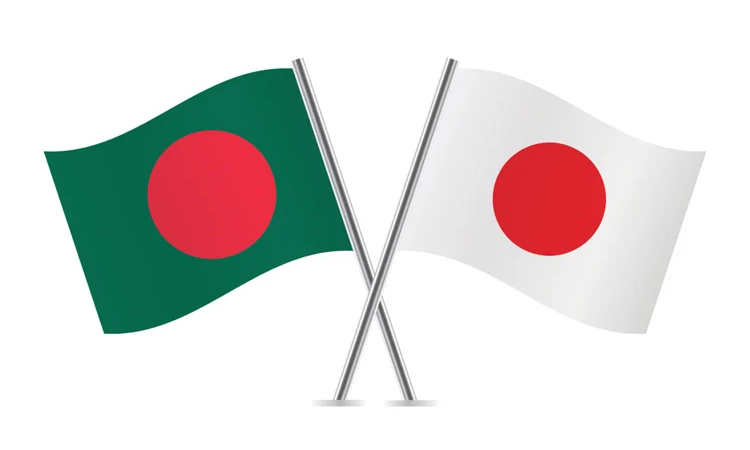
DHAKA, March 5, 2026 (BSS) - Japan has provided US$6.7 million to the World Food Programme (WFP) to support Rohingya and vulnerable host communities in Cox's Bazar through food assistance, nutrition services and agricultural resilience initiatives.
The United Nations World Food Programme welcomed the new contribution, equivalent to JPY 1.05 billion, from the Government of Japan aimed at strengthening food security and improving the wellbeing of Rohingya families as well as Bangladeshi host communities, said a press release here.
Japanese Ambassador to Bangladesh Saida Shinichi said Japan remains committed to supporting vulnerable populations in Bangladesh, including Rohingya and local host communities.
"Through this partnership with WFP, Japan aims to contribute to food security, improved nutrition and the overall wellbeing of Rohingya families, particularly women and children," he said.
He added that the initiative will also help strengthen food security for Bangladeshi communities by addressing challenges related to climate change and improving market access for local farmers.
With the funding, WFP will provide lifesaving food assistance to Rohingyas and deliver nutrition services to pregnant and breastfeeding women as well as children under five.
The assistance will also help strengthen the resilience of smallholder farmers in host communities through an aggregation centre model designed to consolidate agricultural produce and improve access to markets and humanitarian supply chains.
Under WFP's food assistance programme, Rohingya families receive monthly food vouchers that allow them to purchase essential items such as rice, lentils and oil, along with fresh vegetables and protein-rich foods from designated outlets.
The funding will also support repair of agricultural infrastructure damaged by floods and cyclones in host communities while equipping aggregation centres with cold storage and modern food processing facilities.
According to WFP, nearly 150,000 additional Rohingyas have fled to Cox's Bazar camps since early 2024 due to intensified fighting in Myanmar's Rakhine State, bringing the total rohingya population to nearly 1.2 million.
However, the humanitarian response faces growing financial pressure, with WFP warning that a $150 million funding gap could disrupt food and nutrition services for Rohingya families from April 2026 unless additional support is secured.
WFP Bangladesh Country Director Simone Parchment (a.i.) described Japan's latest contribution as "timely and critical," expressing appreciation for Japan's continued support to Rohingyas and host communities.
Since the onset of the Rohingya crisis in August 2017, Japan has contributed more than $260 million to WFP and other humanitarian agencies supporting the response in Bangladesh.