News Flash
By Mowazzem Hossain Rokon
DHAKA, April 12, 2026 (BSS) - The government is working on a plan to introduce a modern traffic system in the capital under a “Zero Signal Management Model” aimed at significantly reducing congestion and ensuring uninterrupted vehicular movement.
Under the proposed model, commuters entering the city through Jatrabari or Gabtoli would be able to travel up to Diabari without stopping at traffic signals, as the plan envisions a signal-free express connectivity across the capital.
Officials said the project, once implemented, would establish a 105-kilometre network of zero-signal expressways connecting north-south and east-west corridors of Dhaka.
The system will eliminate conventional red, yellow and green traffic lights, while ensuring separate arrangements for pedestrian crossings and slow-moving vehicles.
To implement the plan, around 80 intersection control systems and 43 supporting infrastructures would be required, of which six already exist.
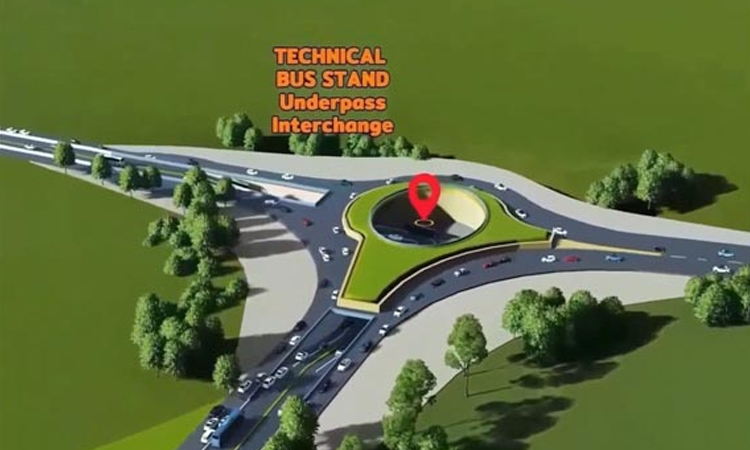
Initially, the system could be made operational with the construction of about 30 key infrastructures. The proposed infrastructures include multiple key points across the capital including Nimtoli Bus Stand, Hazarat Golap Shah Intersection, Kakrail, Shantinagar, Rampura TV Center, Notun Bazar, Azampur, Jamjam Tower, Moylar Mor, Mirpur Cantonment, Mirpur-10, Sony Circle, Bangla College, Technical Mor, Aarong, Science Lab, Nilkhet Mor, Palashi Mor, Shahid Minar, Shikkha Bhaban–High Court Mor, Mothsho Bhaban, Tejgaon South, Tejgaon North, Mohakhali Bus Stand, Gulshan Link Road, Mohakhali Rail Crossing, Banani South, Banani North, Agargaon Bus Stand, Zia Udyan, Bijoy Sarani, Karwan Bazar, Banglamotor, Shahbagh Mor, Abul Hotel, Diabari and Kazipara.
According to the proposal, the infrastructure development would include 19 overpasses and underpasses, with three already in place. Construction of the remaining structures—each approximately 800 feet in length and 42 feet in width—is estimated to cost around Tk 860.16 crore.
Besides, 16 U-loop overpasses are planned, of which three already exist. The remaining 13 are expected to cost Tk 624 crore. Another interchange facility combining U-loop and overpass would cost an estimated Tk 153 crore. Altogether, the infrastructure component is projected to cost Tk 2,372.16 crore.
The plan also includes construction of 30 foot over bridges and nine flyovers. While the flyover cost will be determined separately, the foot over bridges are estimated to cost around Tk 300 crore.
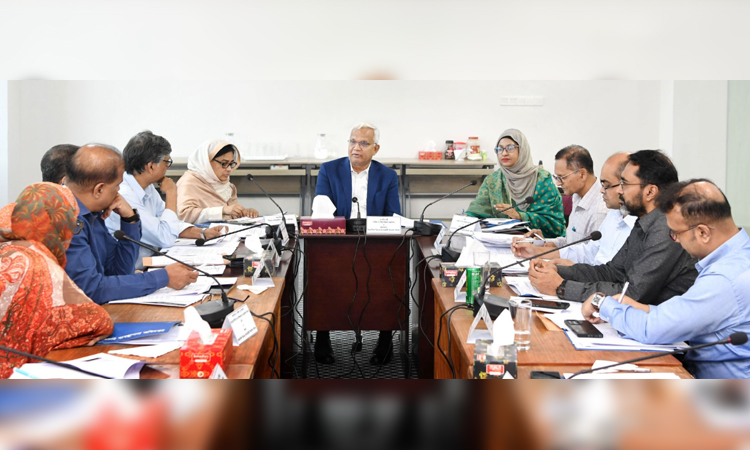
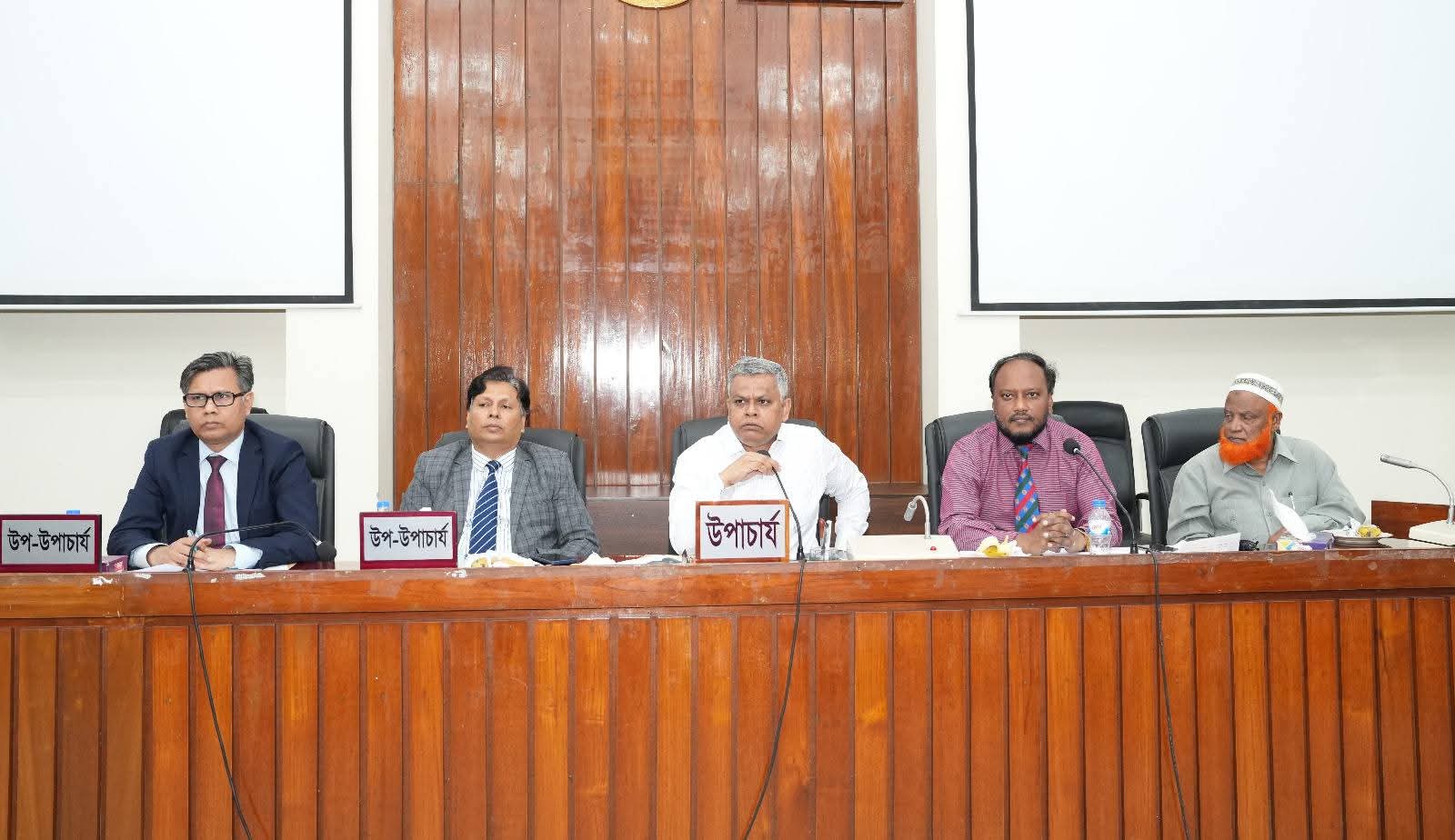
A meeting was held today at the Home Ministry to review the proposal and its feasibility.
Chaired by Senior Secretary of the Ministry of Home Affairs Manjur Morshed Chowdhury, the meeting was attended by Road Transport and Highways Division Secretary Dr. Mohammad Ziaul Haque, RAJUK Chairman Engineer Md. Riazul Islam, Chief Innovation Officer (Joint Secretary) Md. Abdullah Al Hakkani, along with representatives from local government bodies, Police Headquarters, Dhaka South City Corporation, Dhaka Transport Coordination Authority (DTCA) and members of the ministry’s 10-member innovation team.
The meeting requested all concerned ministries, departments and agencies to submit their opinions in writing within 15 days.
Sources said that alongside the proposed expressway network, there are also plans to bring the remaining internal roads of the capital under automated traffic light systems.
Short, medium and long-term strategies have been outlined, including AI-based signal automation within three months, phased implementation of the zero-signal system within one to two years, and long-term measures such as relocating inter-district bus terminals outside the city and constructing bypass roads.
Other proposed measures include introduction of city bus services, restriction of inter-district buses within the city, limiting movement of heavy vehicles during daytime, and launching electronic toll collection (ETC).
Studies show that due to congestion, the average speed of vehicles in Dhaka has dropped to 4 km per hour, leading to a daily loss of around 9 million working hours. Fuel wastage is estimated at 18 million litres per day, costing about Tk 216 crore, with annual losses reaching approximately Tk 78,000 crore.
Overall, traffic congestion is estimated to cause an annual economic loss of around $7.5 billion, reducing the country’s GDP by nearly 7 to 11 percent.