News Flash
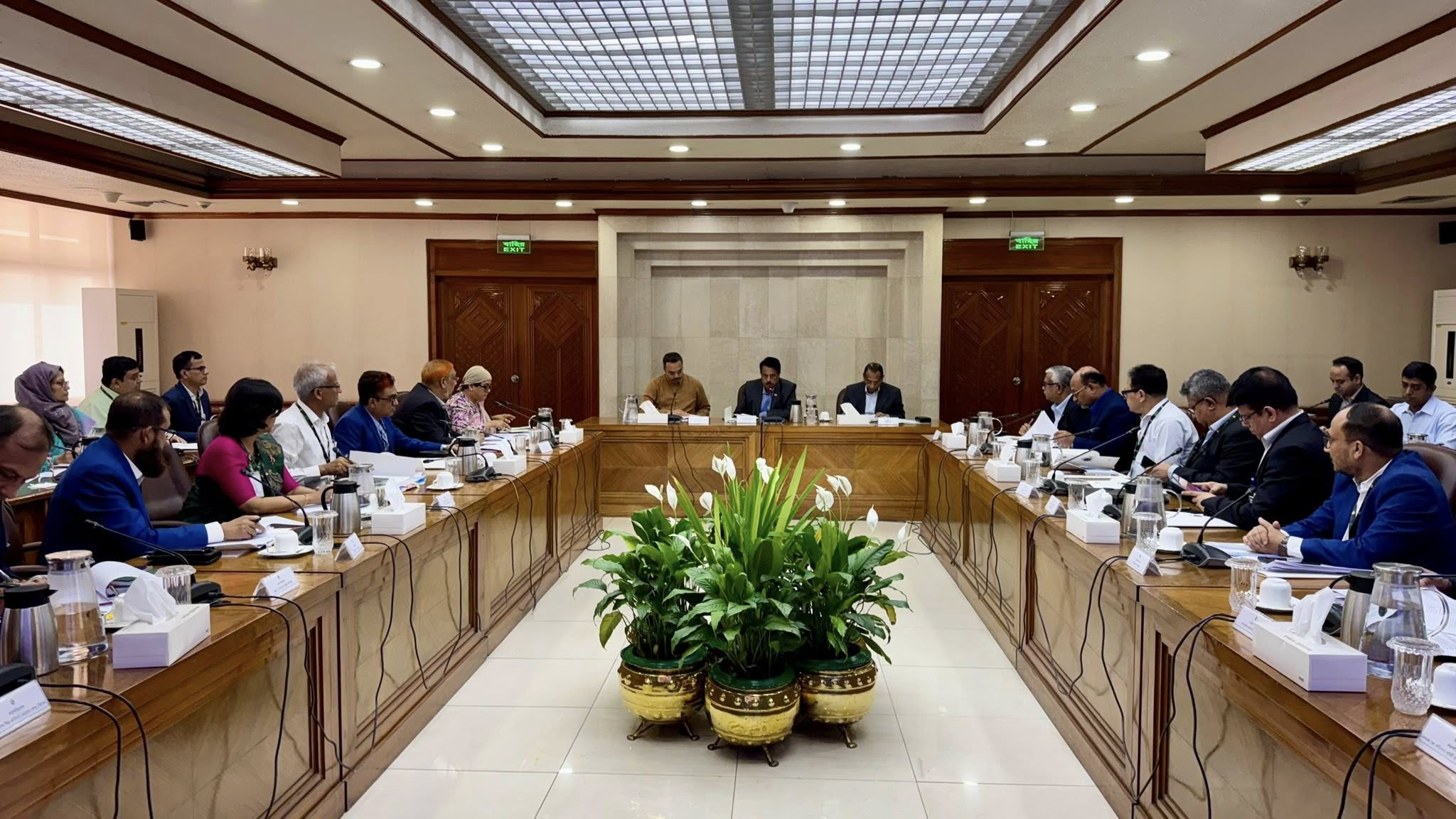
DHAKA, April 27, 2026 (BSS) - The 15th meeting of the Executive Committee (EC) of the National Skills Development Authority (NSDA) was held today at the Prime Minister's Office (PMO), where high-level directives were issued to streamline national skills development through urgent legal reforms and enhanced policy coordination.
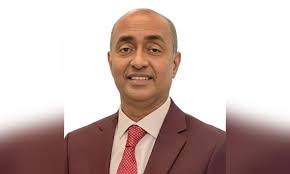
Prime Minister's Principal Secretary A B M Abdus Sattar presided over the session, said a press release.
The meeting was attended by Mahdi Amin, Spokesperson for the Prime Minister's Office and Adviser to the Ministries of Education, Primary and Mass Education, Expatriates' Welfare and Overseas Employment, and Labour and Employment (holding the rank of State Minister), who participated as a special guest.
The participation of senior secretaries from various ministries and heads of departments was further bolstered by representatives from the private sector, underscoring the government's focus on strengthening industry-academia linkages to meet market demands.
During the session, NSDA Executive Chairman (Secretary) and Member-Secretary of the Executive Committee Dr. Nazneen Kauser Chowdhury presented a comprehensive report on the authority's current progress and future strategic roadmap.
The committee emphasized that all activities related to curriculum development, training, assessment and certification for Levels 1 to 6 of the Bangladesh National Qualifications Framework (BNQF) must strictly adhere to the NSDA Act and regulations.
Relevant ministries and agencies were directed to work in a coordinated manner under this unified framework to ensure standardized quality across the board.
In a significant move to resolve institutional friction, the committee issued a firm re-instruction regarding the amendment of the Bangladesh Technical Education Board (BTEB) Act.
The meeting reiterated previous mandates from the NSDA Governing Board to eliminate duality and ambiguity between the two entities.
It was explicitly clarified that while the BTEB is the designated authority for technical education, the NSDA remains the apex body for all skill-related development and certification.
This legal clarification is deemed essential for making both technical education and skill-building initiatives more effective and transparent.
To enhance the competitiveness of Bangladeshi workers in the global arena, the committee underscored the necessity of signing Mutual Recognition Agreements (MRAs) with destination countries.
Such agreements are vital for ensuring that national certifications are recognized internationally.
The meeting also directed the expansion of soft skills training, including language and behavioural programs, to the district level to ensure that workers from rural areas are prepared for international professional environments.
Additionally, the committee explored the feasibility of utilizing Bangladesh missions abroad to facilitate the training and assessment of expatriate workers already stationed overseas.
In a major policy shift toward the modernization of vocational education, the committee granted policy approval for hybrid training models-combining online and in-person instruction-specifically for the Information Technology (IT) sector.
To accelerate the transition of trainees into the workforce, the NSDA was instructed to introduce technology-based modern tools for assessment management and to ensure that assessments are conducted immediately following the completion of any course for rapid certification.
The Executive Committee also provided strategic directives to scale up large-scale training programs by strengthening the NSDA's oversight in funding, the selection of training institutions, and rigorous quality control.
The meeting concluded with a resolution to hold regular sessions to ensure the swift implementation of policy decisions.
A collective call was made to all ministries, departments, and agencies to operate under the leadership of the NSDA to transform the nation's human capital into skilled human resources for sustainable employment and long-term economic growth.