News Flash
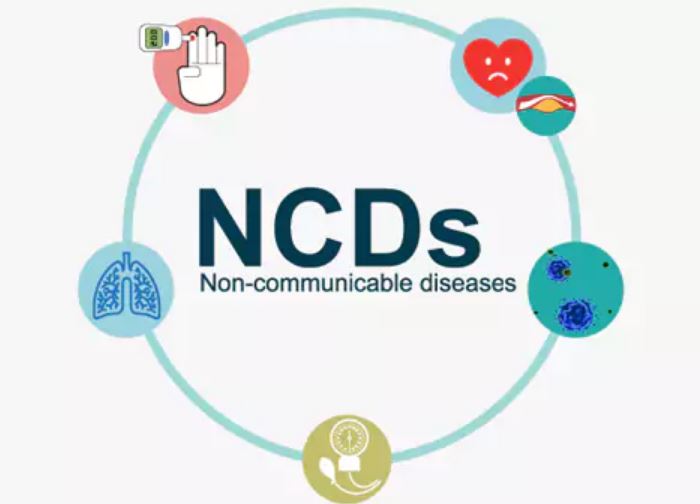
DHAKA, April 23, 2026 (BSS) – Excessive intake of sugar, salt, saturated fat and trans-fat in ultra-processed foods is contributing to a growing burden of non-communicable diseases (NCDs) such as hypertension, diabetes and cancer in Bangladesh.
According to the World Health Organization, around 71 percent of all deaths in the country are attributed to NCDs.
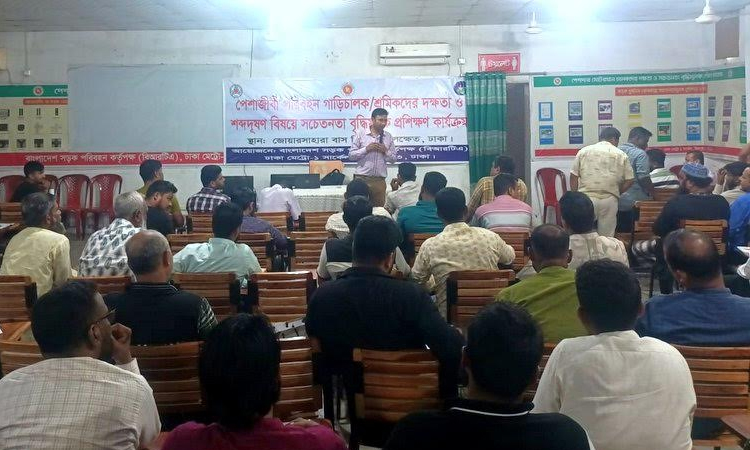
The issue was highlighted at a workshop titled “Addressing Non-Communicable Diseases in Bangladesh: Role of Hypertension Control and Front-of-Pack Labelling (FOPL)”, held in the capital today.
The event was organised by PROGGA (Knowledge for Progress) with support from the Global Health Advocacy Incubator.
Speakers said nearly 97 percent of people consume packaged foods, but complex and unclear labelling prevents consumers from understanding nutritional content, particularly levels of salt, sugar and fat.
They said introducing mandatory FOPL with clear “high in” warnings could help people make healthier food choices.
The workshop noted that 44 countries have already adopted FOPL, including 10 where it is mandatory, leading to improved dietary behaviour.
Speakers also pointed out that only 4.2 percent of the national health budget is allocated to NCD prevention and control, affecting medicine supply at community clinics.
Professor Dr Sohel Reza Choudhury, Head of Epidemiology and Research at the National Heart Foundation Hospital and Research Institute; Muhammad Ruhul Quddus, Country Lead of the Global Health Advocacy Incubator; and ABM Zubair, Executive Director of PROGGA, addressed the workshop, among others.