News Flash
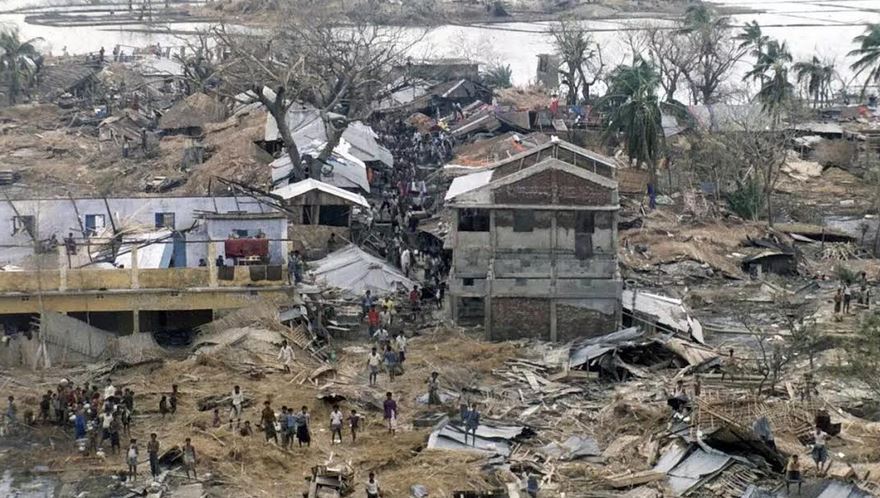
CHATTOGRAM, April 29, 2026 (BSS) - Memories of the devastating cyclone that struck Bangladesh's southeastern coast on April 29, 1991 continue to haunt residents, as communities marked its 35th anniversary with renewed calls for sustainable disaster preparedness.
Despite improved awareness and infrastructure over the years, people living across the coastal belt said the scale of destruction remains unforgettable.
Official records show that between 135,000 and 145,000 people lost their lives in the cyclone, while unofficial estimates put the death toll at around 200,000.
Nearly two million residents were left homeless across coastal districts stretching from Cox's Bazar to Patuakhali, alongside massive losses of property and livestock, making it the deadliest cyclone in the country's history.
To commemorate the day, various socio-cultural organisations in Chattogram and other coastal areas organised prayer sessions, rallies, discussion meetings and photo exhibitions recalling the tragedy.
Speakers at these events, including relatives of victims, urged the government to adopt sustainable cyclone and tidal surge preparedness plans, strengthen embankments and ensure modern logistical support to better protect vulnerable coastal communities.
Residents of greater Chattogram, particularly those in low-lying coastal zones, said the trauma of losing loved ones still lingers decades later.
Organisations including Upakulio Unnyan Foundation, Sandwip Association, Patenga Anti-Social Resistance Committee, Anwara Samity and Kutubdia Samity Chattogram observed the day with separate programmes featuring prayers, milad, remembrance meetings, food distribution among the poor, photo exhibitions and candlelight vigils.
The Chattogram Press Club organised a photography exhibition showcasing 50 images capturing the aftermath of the cyclone.
Photographer Shishir Barua recounted one of the most haunting moments he documented, describing a photograph titled "Crab Feast," which showed how quickly a body was consumed by crabs. He stressed the importance of preserving such images as historical records of natural disasters.
Speakers at the programmes also called for enhanced coastal protection measures, including reconstruction of damaged embankments and expanded tree plantation initiatives, to reduce risks from future cyclones and tidal surges.