Wednesday
19 August, 2026
By Bipul Islam
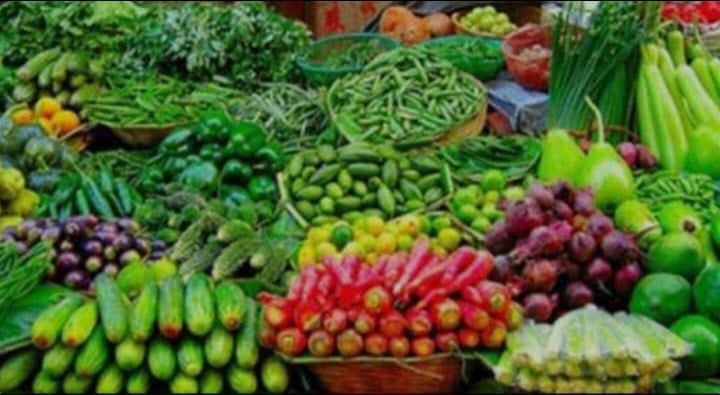
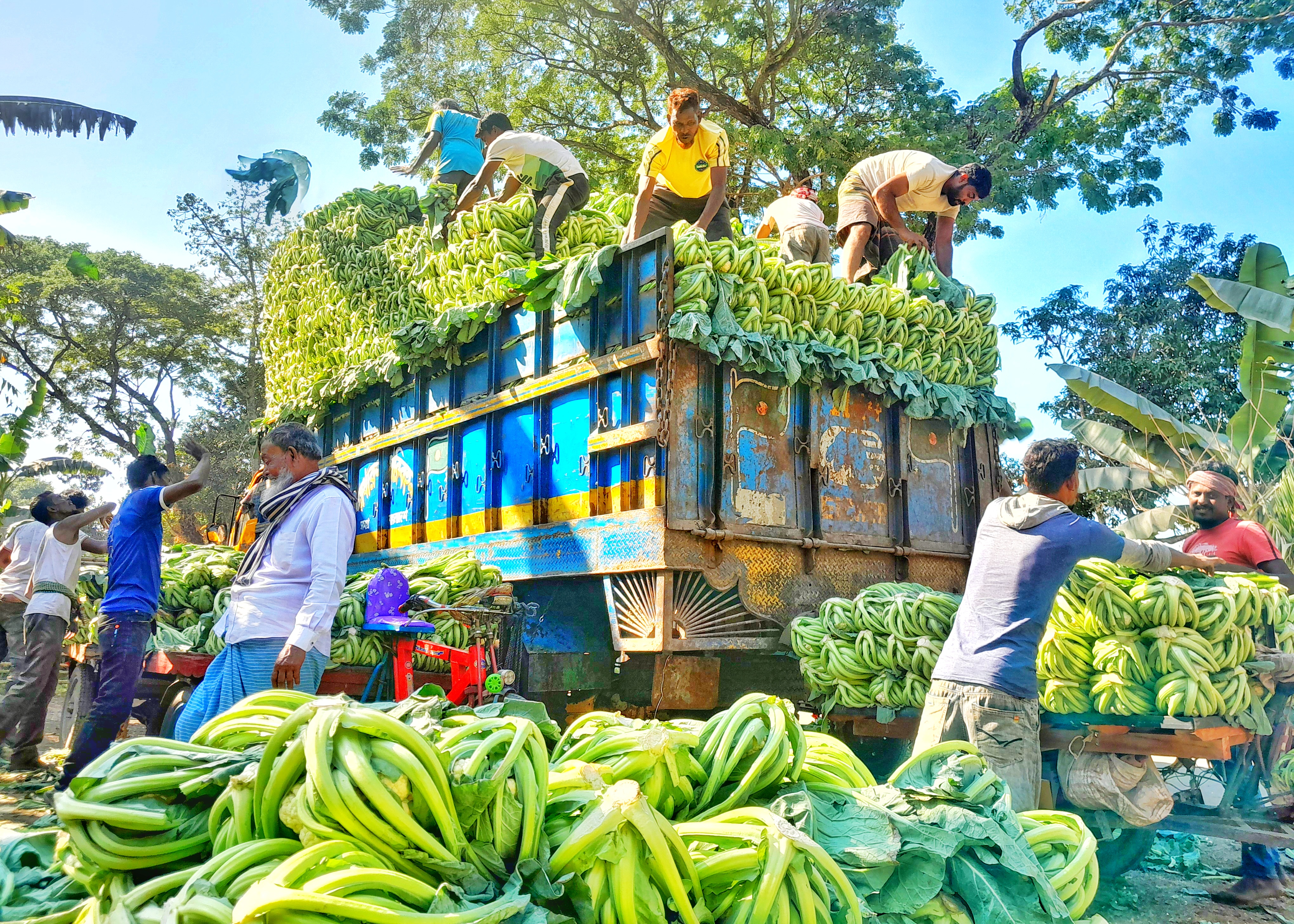
LALMONIRHAT, Dec 17, 2025 (BSS) - Winter vegetable cultivation has brought a flurry of activities across the district, particularly in Aditmari, Kaliganj, Hatibandha and Patgram upazilas, where farmers are busy planting, nurturing, and harvesting a wide variety of crops like cauliflower, cabbage.
Fields are lush with cauliflower and cabbage, and yields this season have been encouraging. However, despite the bumper production, farmers said they are being deprived of fair prices as profits largely go to middlemen.
Every day, truckloads of cauliflower and cabbage are being transported from areas such as Durgapur in Aditmari upazila to Rangpur, Dhaka and other parts of the country.
Wholesalers purchase cauliflower from farmers' fields at prices ranging between Taka 12 and Taka 14 per piece, while cabbage is bought at around Taka 12 per head. Most cabbages weigh between one and 2.5 kilograms (Kgs), putting
the price at only Taka 5-6 per kg.
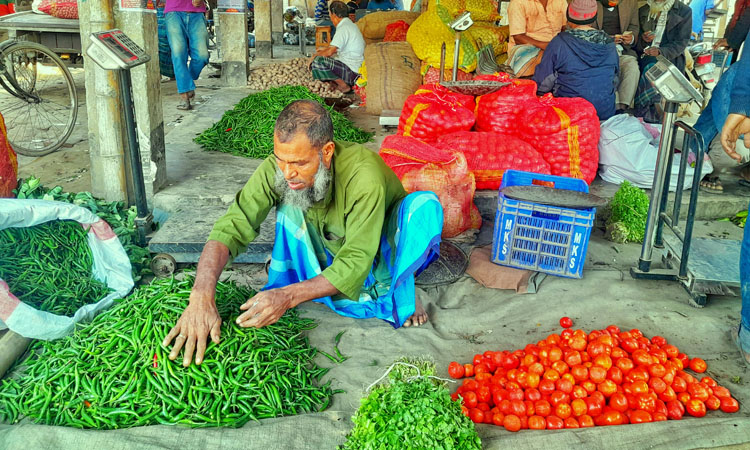
In contrast, retail prices tell a different story. In markets across the district-including Goshala Bazar, Haribhanga (old bus stand area), Barabari, Mahendranagar and Buri Bazar-cauliflower is selling for Taka 20-30 per kg, while cabbage and leafy greens are priced between Taka 20 and Taka 25 per kg.
This sharp disparity highlights a significant gap between farmland and consumer prices.
Wholesalers acknowledge the price escalation along the supply chain. Majidul Mia, a wholesaler at the Barabari raw material warehouse, said vegetable prices remain similar at the field level but rise after reaching warehouses.
Another trader, Haque Saheb, noted that vegetables change hands three to four times before reaching retail markets."Transportation costs and multiple intermediaries push up prices for consumers," he added.
Farmers, however, are growing increasingly frustrated. Nazrul Islam, a farmer from Saptibari union in Aditmari upazila, alleged that wholesalers buy vegetables at very low prices and sell them at almost double in the market, leaving producers with minimal profit.
Rafiqul Islam of Tushbhandar union in Kaliganj upazila blamed weak supervision and syndicates for worsening the situation, adding that farmers bear transportation and labor costs when selling at warehouses.
The lack of storage facilities has further compounded the problem. Abdus Salam, a farmer from Kakina union, said many growers are forced to sell at a loss to avoid rapid spoilage. Traders also admit the imbalance. Abdul Kader, a businessman at Barabari Bazar, said that despite good yields, low prices are making it difficult for farmers to recover production costs.
Consumers, too, have voiced dissatisfaction. Buyers Afzal Ali and Nurul Islam at Goshala market said Lalmonirhat is a major vegetable-producing district, yet prices remain high. "If vegetables cost this much here, prices in big cities can easily be imagined," they said.
According to the Department of Agricultural Extension (DAE), winter vegetables-excluding potatoes-have been cultivated on around 5,350 hectares of land in the district this season, with cultivation expected to increase in phases. The department is also prioritizing the production of safe and poison-free vegetables.
Agriculture experts and local stakeholders believed that narrowing the price gap will require stronger government supervision, tighter control of middlemen and the promotion of direct sales through farmers' cooperatives.
Improved storage and transportation facilities, they said, would help farmers secure fair prices while ensuring reasonable rates for consumers.