Wednesday
19 August, 2026
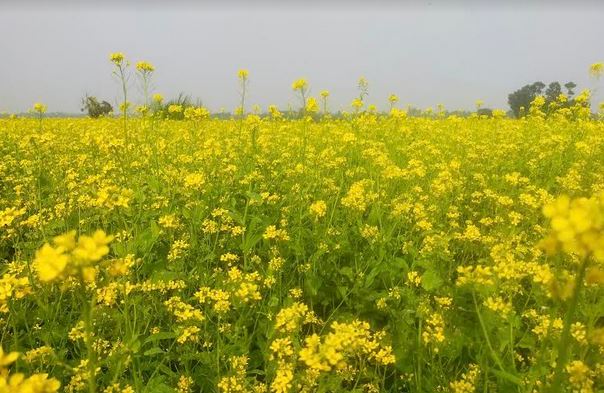
KHULNA, Dec 17, 2025 (BSS) - A total of 54,369 tonnes of mustard yield is expected to be harvested from around 38,251 hectares of land in all four districts under the Khulna division during the current Rabi season.
The Department of Agricultural Extension (DAE) has set a target of producing 54,369 tonnes of mustard from 38,251 hectares of land in four districts of Khulna Agricultural Zone.
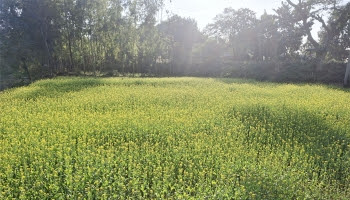
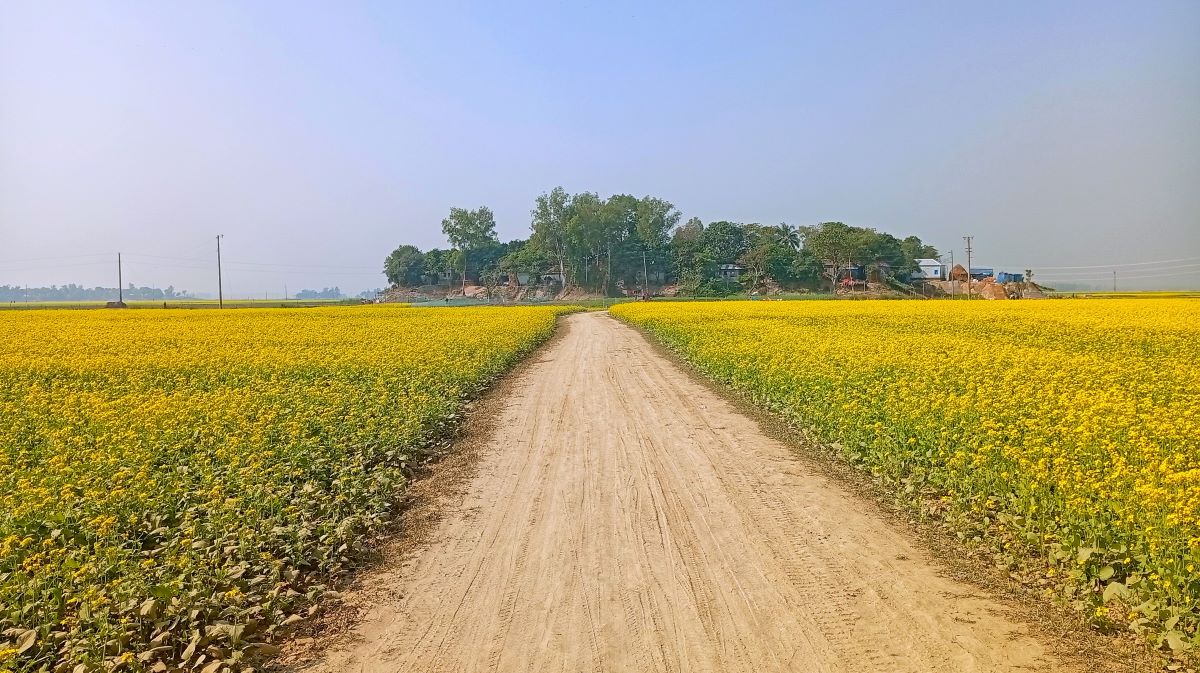
At present, entire farming fields have started turning yellowish, creating an eye-catching look.
The DAE's various initiatives and favourable climate conditions during this Rabi season have become a boon for mustard plants to grow well, predicting bumper production.
Md Rafiqul Islam, additional director of the DAE, said landless and marginal farmers have also brought of saline prone lands under mustard cultivation this time in the Coastal belt, and the crops are growing well everywhere in the region.
Suitable climate conditions, high-yielding varieties, modern technologies and government initiatives were reasons for exceeding the targets of both acreage and yield this season, he said.
Various other research and development organisations such as the Bangladesh Agriculture Research Institute (BARI) and many NGOs have taken adequate steps in collaboration with other departments this season to achieve the fixed production targets.
Moshiur Rahman, 35, a farmer of Mechoghona village under Dumuria upazila, has brought five bighas of land under the oilseed cultivation this season. He harvested 19 maunds from four bighas of land last year.
He said the easy cultivation process and lower production cost compared to other Rabi crops is also a reason behind the growing popularity of mustard farming in the region, including its costal belt.
Another farmer of Golna village, Shaheed Hossain, 44, has cultivated mustard on 8 bighas of land this season after attaining 23 maunds from five bighas last year.
Hasibur Rahman, 45, of Nandigram village under Durgapur upazila, said he cultivated mustard seed on two bighas of land last year and got six maunds per bigha.
He has brought three bighas under the cash crop this season and expects a good yield.
Mahtab Uddin, 43, another farmer of Baliakhali village, has become successful through cultivating the cash crop for the last couple of years. This year, he cultivated the crop on five bighas of land.
Dumuria Upazila Agriculture Officer insane Ibne Amin said the government has attached the highest priority to the agriculture sector, and field-level officials and researchers are reaching services to farmers' doorsteps.
He said farmers are expanding farming of high-yielding mustard varieties on a larger scale to get the desired output and supplement government initiatives to ensure food security.
Mustard seed is a water-saving crop, and its expansion in the coastal area is important for reducing pressure on underground water, he added.
Durga Mondal of Katianagla village under Batiaghata upazila has cultivated mustard on one bigha of land. Her production cost stood at Taka 2,000 and she expects to sell mustard worth about Taka 12,000 from the plot.
Mustard farmer Durga Mondal said, "Proper use of fertilizer helps mustard grow well. Farmers can harvest three to four maunds of mustard from per bigha of land."
Farmers of the upazila said they are cultivating mustard after harvesting early varieties of Aman paddy on the same land and then growing Boro paddy there again.
As a result, they are producing three crops from the same land in a year while maintaining soil fertility.
The cost of mustard cultivation is comparatively low and the profit is higher, they said, adding, "The aim of cultivating mustard is to consume some at home and sell the rest."
Meanwhile, rows of beehives have been set up beside mustard fields to increase yield. Honey collection by bees from the flowers enhances pollination, leading to better production. At the same time, selling honey brings additional income.
A honey farmer said, "Bees are beneficial, not harmful. They help pollinate mustard fields."
This year, farmers have cultivated high-yielding varieties of mustard, which are expected to produce more output with less cultivation.
Agriculture officials said farmers are being provided with all necessary support.
Additional Deputy Director of the Department of Agricultural Extension (DAE) in Khulna Md Rafiqul Islam said, "We are optimistic that production will be higher this year. We are advising farmers on ways to achieve better yields."