News Flash
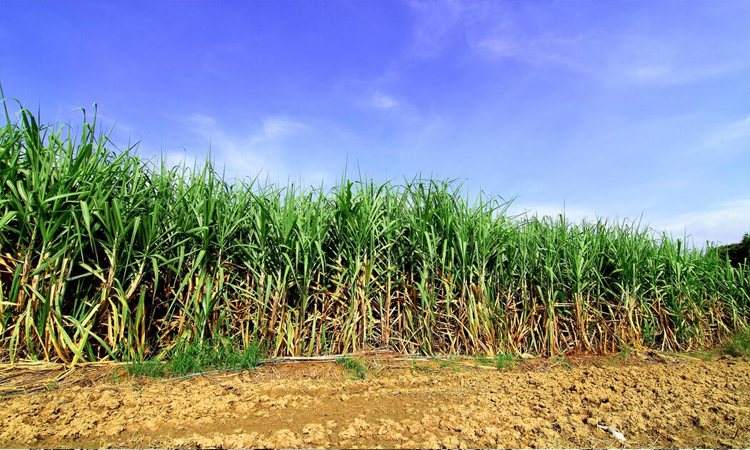
NATORE, May 15, 2026 (BSS) – Cultivation of sugarcane and maize is increasing in Natore due to lower production costs and better market returns.
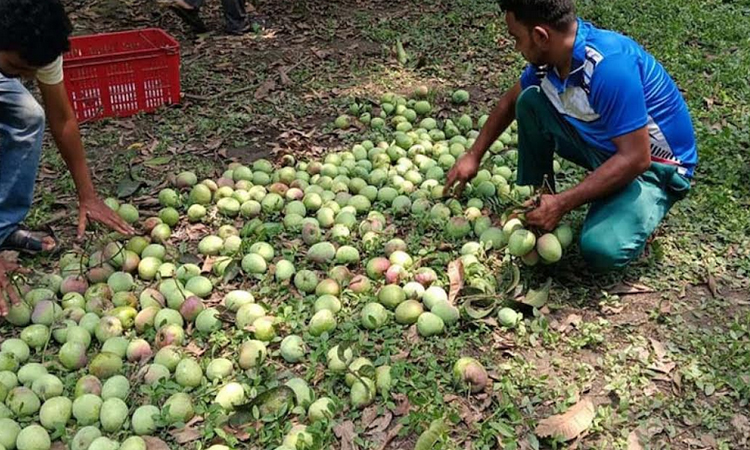
Although Natore has long been known for its fertile land and fruit production, particularly mangoes over the past two decades, the agricultural trend is now changing in sub-districts such as Lalpur, Bagatipara and Baraigram.
In these areas, sugarcane and maize cultivation have already exceeded seasonal targets.
According to sources, 14,737 hectares of land are currently under sugarcane cultivation in the district while the Natore Sugar Mill authorities are working toward a target of 10,000 acres. At the same time, maize is being cultivated on around 9,500 hectares of land.
Farmers said that these crops are more resilient, require less irrigation and face fewer pest and disease problems.
Support from Natore and North Bengal Sugar Mills, including improved seeds and loan facilities, has played an important role in revitalizing sugarcane farming.
Former Joari Union Chairman Abu Hena Mostafa Kamal, who replaced his 30-bigha mango orchard with sugarcane and maize, said these crops remain profitable even under adverse weather conditions.
In contrast, mango cultivation is showing a downward trend in the district.
In 2020, Natore had 5,724 hectares of mango orchards producing 79,767 tons of mangoes with an average yield of 13.9 tons per hectare.
By 2026, the orchard area has decreased to 5,693 hectares, with a total production target of 66,451 tons and an expected yield of 11.7 tons per hectare.
Several factors are contributing to this decline, including rising land lease costs that have made mango farming less profitable, increasing risks from adverse weather and pest attacks, and price fluctuations in the market.
Prices of popular mango varieties such as Khirsapati, Langra and Amrapali have also fallen compared to five years ago.
In some cases, orchard lessees using excessive chemical sprays to boost short-term yield have damaged trees, prompting landowners to cut them down.
Despite the overall decline, a shift toward high-value mango varieties is emerging.
Lalpur Upazila Agriculture Officer Pritam Kumar Hore said farmers are removing low-demand varieties like Laxmanbhog and replacing them with premium varieties such as Katimon, BARI-4 and Banana Mango.
Deputy Director of the Department of Agricultural Extension in Natore, Md. Habibul Islam Khan, said that while older orchards are being cleared, farmers are increasingly adopting high-density planting methods.
Under this system, planting density has increased from seven trees per bigha to around 25 trees per bigha.
Agricultural officials believe that this diversification toward sugarcane and maize, along with modern mango cultivation techniques, is having a positive impact on the rural economy of Natore.