News Flash

BEIRUT, Lebanon, April 24, 2026 (BSS/AFP) - Israel and Lebanon extended
their shaky ceasefire by three weeks on Friday, as Iran's foreign minister
prepared for meetings with officials in Pakistan, which has been mediating
efforts to end the wider Middle East war.
US President Donald Trump announced the truce had been prolonged after he met
Israeli and Lebanese envoys in Washington, and described himself as confident
that a peace deal in that conflict would be an "easy one".
But there was no sign of a breakthrough in the stand-off between rival US and
Iranian blockades of the Strait of Hormuz, which has all but choked off
maritime trade through a channel that before the war carried around a fifth
of the world's oil and liquefied natural gas (LNG) supplies.
No date has yet been set for a second round of direct US-Iran talks in
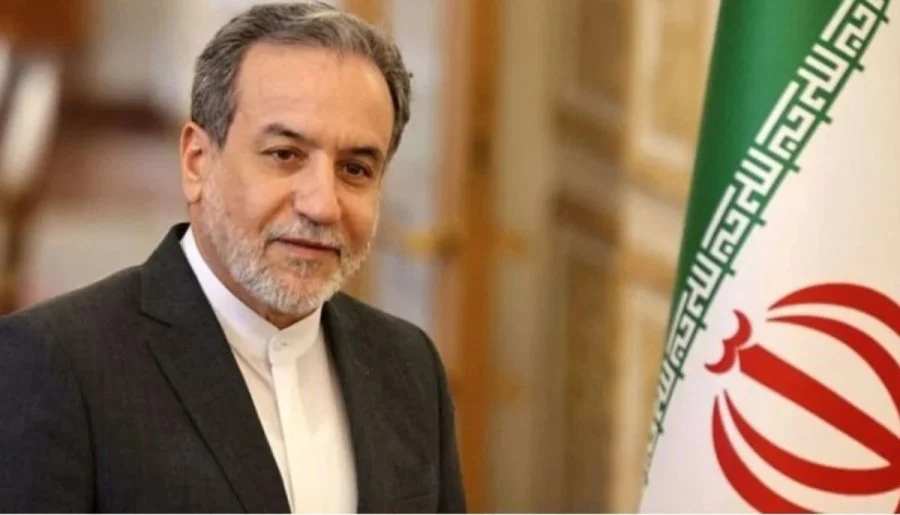
Islamabad, but Iran's Foreign Minister Abbas Araghchi is expected to arrive
in the Pakistani capital on Friday night, an official source in Pakistan
said, without providing details about who he was likely to meet.
- 'National consensus' -
"Iran's foreign minister will begin a regional tour on Friday evening, April
24, travelling to Islamabad, Muscat and Moscow," Tehran's official IRNA news
agency said, adding that Araghchi would review the latest situation regarding
the war launched eight weeks ago by the US and Israel.
It was not clear whether US Vice President JD Vance or other senior
administration officials were planning to return to Pakistan, after he
announced he was leaving without a deal after a previous round of talks, but
American logistics and security teams are present in Islamabad, the Pakistani
official source said.
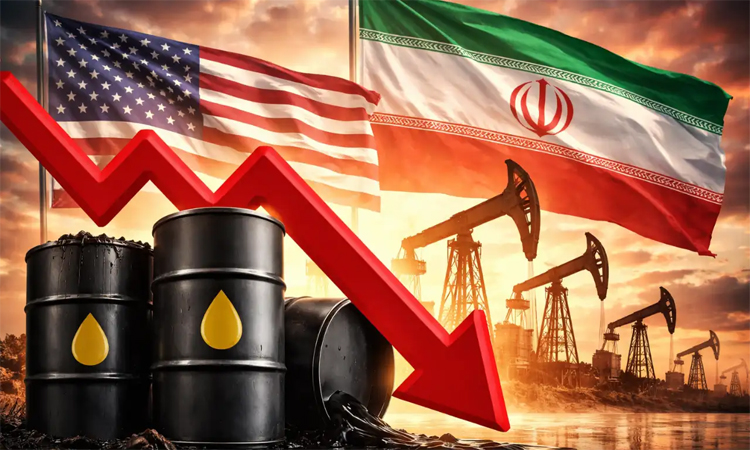
Oil prices slid on Friday amid hopes that any fresh peace talks would see an
end to Tehran's disruption of trade through Hormuz and a US blockade of
shipping to and from Iranian ports.
In Lebanon, despite Trump's announcement of a renewed ceasefire, Israel
confirmed a claim by Hezbollah that it had shot down an Israeli drone with a
surface to air missile.
Mohammed Raad, the head of Hezbollah's parliamentary bloc, urged the Lebanese
government to withdraw from direct talks with Israel and warned that a
lasting peace deal of the kind sought by Trump "will in no way enjoy Lebanese
national consensus".
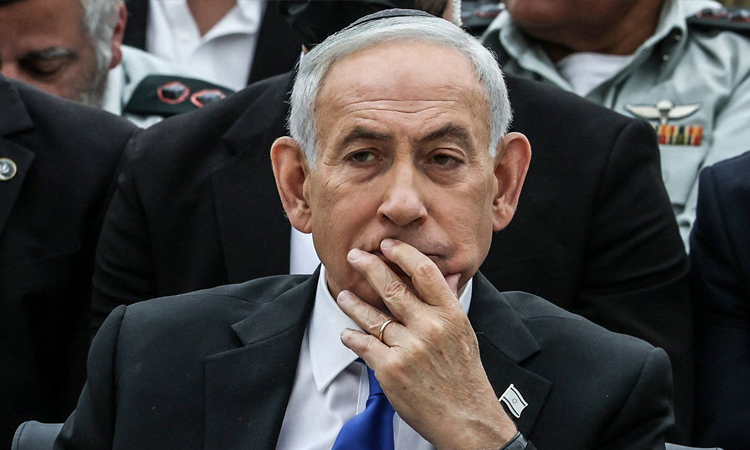
Israel's Prime Minister Benjamin Netanyahu, who has vowed to destroy the
Iran-backed movement, said: "We have started a process to reach a historic
peace between Israel and Lebanon, and it's clear to us that Hezbollah is
trying to sabotage this."
In south Lebanon's Tyre, a man named Mohamad Ali Hijazi was searching a
mountain of rubble for mementos of his family, killed in an Israeli airstrike
minutes before the ceasefire took hold.
"I'm trying to find my mother's hairbrush... and a bottle of perfume that she
loves," said Hijazi, 48 -- some of the last things he sent her from France,
where he has long lived with his wife and two daughters.
"My life has been destroyed. I haven't slept for five days," he told AFP,
repeatedly fighting back tears.
In Washington, Trump spoke in glowing terms of peace prospects for Lebanon,
voicing hope for a three-way meeting with the Lebanese and Israeli leaders.
The two countries have been officially at war for decades and until last week
had not met so directly since 1993.
A meeting between the leaders, let alone a peace treaty, would be historic.
- 'Clock is ticking' -
The envoys' meeting came after Trump said he was in no rush to end the
parallel war with Iran, adding that "the clock is ticking" for the Islamic
republic. "I have all the time in the World, but Iran doesn't," Trump said on
social media.
The USS George H.W. Bush aircraft carrier has arrived in the Middle East, the
US military said Thursday, bringing to three the number of these floating
American arsenals operating in the region.
A second carrier was operating in the Red Sea on Thursday, while a third is
also in the region, according to social media posts by US Central Command
(CENTCOM).
Iran has vowed it would keep the strait closed to all but a trickle of
approved vessels for as long as the US Navy blockades its ports, brushing off
demands from Trump to both reopen Hormuz and surrender its enriched uranium.