News Flash
NAJAF, Iraq, June 2, 2025 (BSS/AFP) - Iraqi authorities on Monday launched a probe into a mass die-off of fish in the southern marshlands, the latest in a string of such events in recent years.
One possible cause for the localised die-off could be a shortage of oxygen sparked by low water flow, increased evaporation and rising temperatures fuelled by climate change.
Another possible reason could be chemicals used by fishermen to make it easier to catch their prey, local officials and activists told AFP.
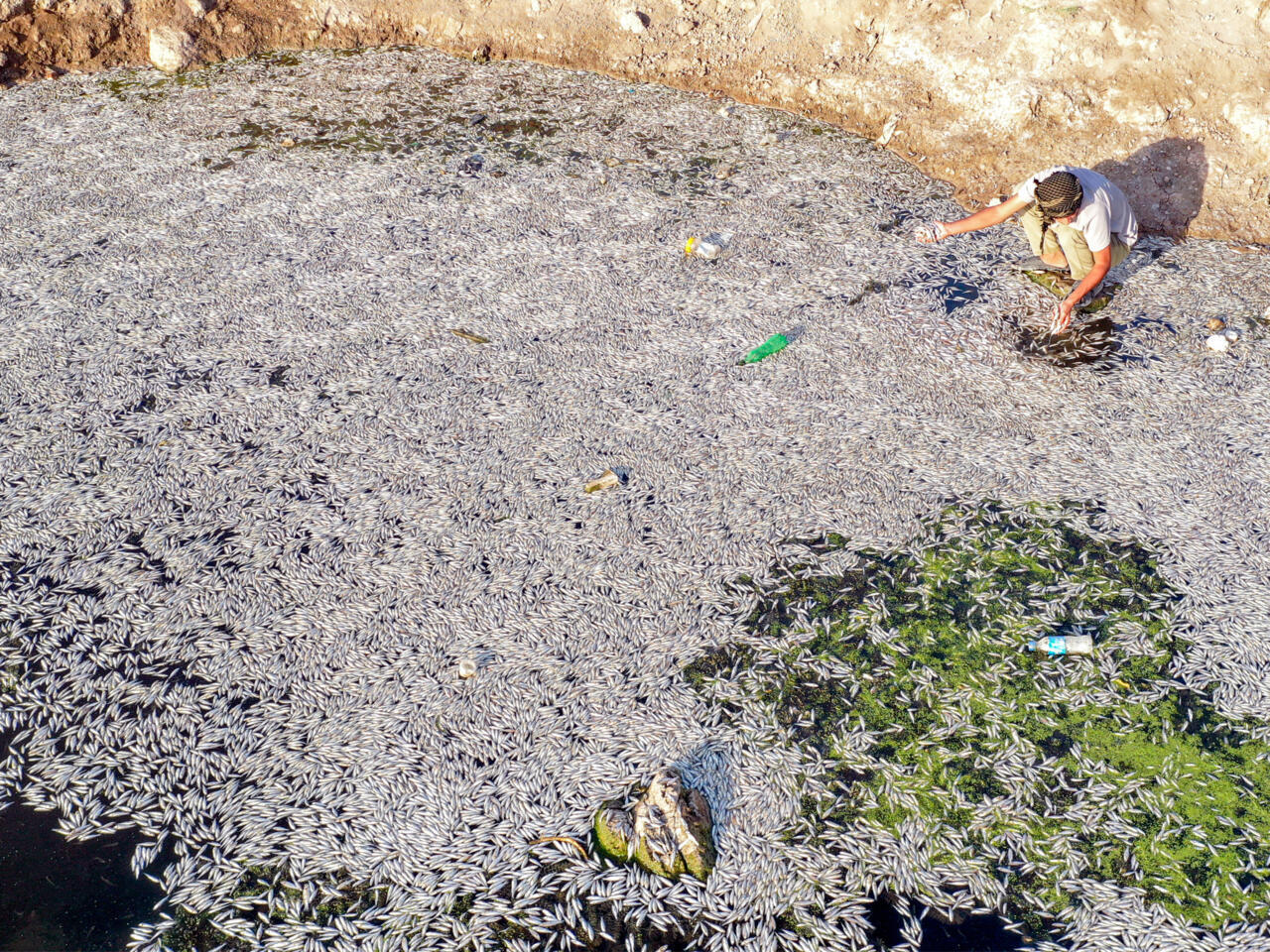
AFP images showed large quantities of silver fish floating in the marshlands of Ibn Najm near the southern city of Najaf.
Buffaloes could be seen surrounded by dead fish, trying to cool themselves off in the water.
"We have received several citizens' complaints," said chief environmental officer in Najaf, Jamal Abd Zeid, adding that a technical inspection team had been set up.
An AFP photographer at the site saw a team of civil servants collecting water from the marshland.
Among the issues the team was tasked with probing, Abd Zeid said, were a shortage of water, electrical fishing and the use by fishermen of "poisons".
For at least five years, Iraq has been hit by successive droughts fuelled by climate change.
Authorities also blame the construction of dams by neighbouring Iran and Turkey for the drastic drop in flow in Iraq's rivers.
The destruction of Iraq's natural environment is only the latest layer of suffering imposed on a country that has endured decades of war and political oppression.
"We need lab tests to determine the exact cause" of the fish die-off, said environmental activist Jassim al-Assadi.
A lack of oxygen caused by low water flow, heat, evaporation and wind were all possible reasons, he said.
He said agricultural pesticides could also have led to the mass die-off.
Probes into other similar events showed the use of poison in fishing led to mass deaths.
"It is dangerous for public health, as well as for the food chain," Assadi said.
"Using poison today, then again in a month or two... It's going to accumulate."