News Flash
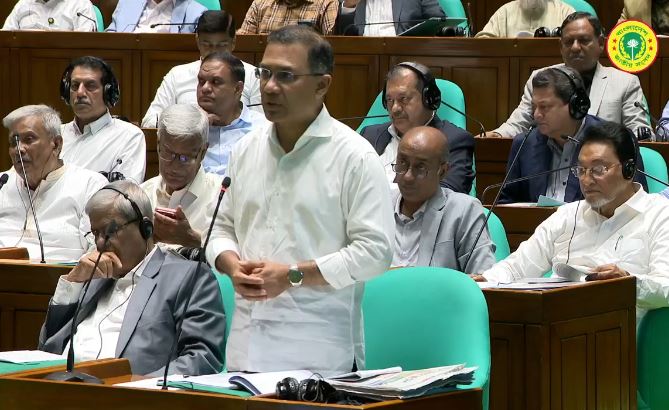
SANGSAD BHABAN, July 8, 2026 (BSS) - Prime Minister Tarique Rahman today said the government is firmly committed to achieving a peaceful and swift resolution to the Rohingya crisis.
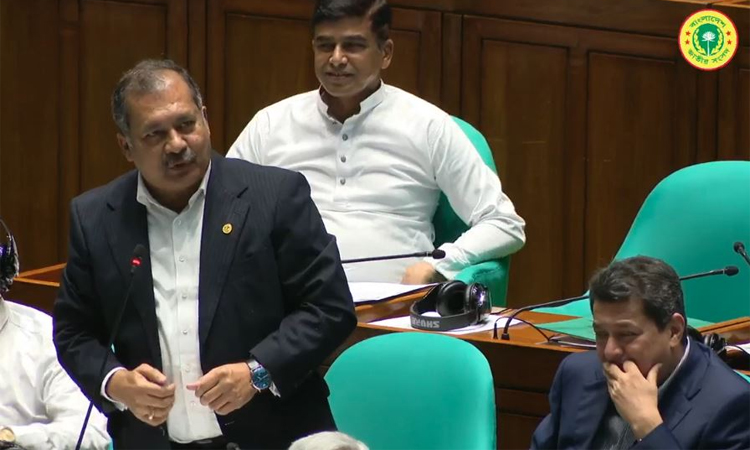
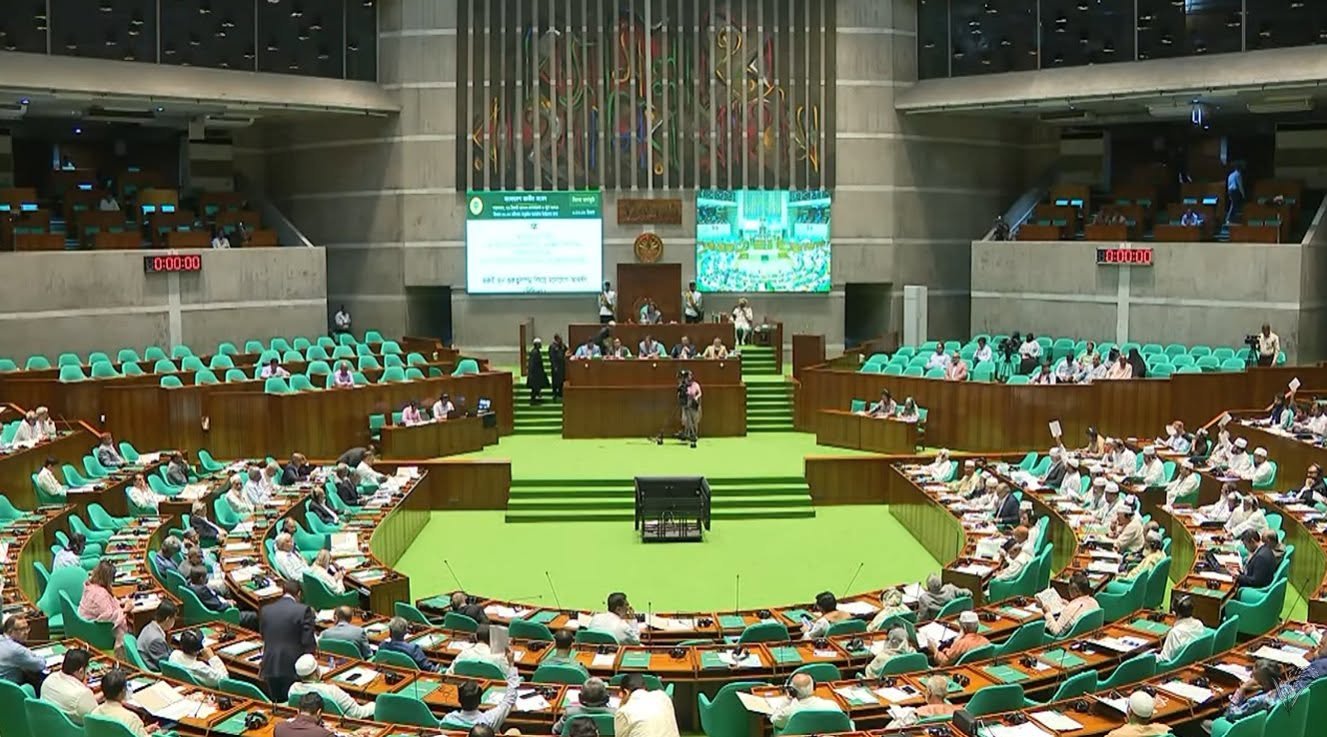
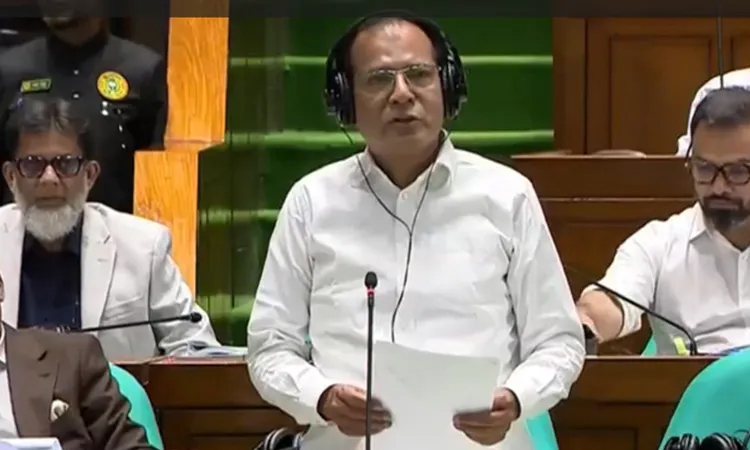
He made the remark while responding to a starred question from treasury bench MP Md. Selim Reza from Sirajganj-1 during the question-answer session in the House with Speaker Hafiz Uddin Ahmad in the chair.
The Prime Minister said under the leadership of Shaheed President Ziaur Rahman in 1978 and Prime Minister Begum Khaleda Zia in 1992, Bangladesh successfully resolved the Rohingya crises of those periods through effective diplomatic initiatives.
Under their capable leadership, the forcibly displaced Rohingyas who had taken shelter in Bangladesh were able to return to their homeland within a short period, he noted.
"Today, we are pursuing a sustainable, peaceful, and rapid solution guided by the same policy. The BNP government is conducting vigorous diplomatic efforts on bilateral, regional, and multilateral fronts to achieve an early resolution of the Rohingya crisis," said Tarique Rahman.
The premier said the government is actively working to keep the Rohingya crisis at the forefront of the global humanitarian agenda.
As part of these efforts, he said, Bangladesh has maintained regular communication with senior representatives of the UNHCR, UN Women, and the World Food Programme (WFP).
Soon after the current government assumed office, high-level delegations from these organizations visited the Rohingya camps in Cox's Bazar and held detailed discussions on expanding humanitarian assistance, he said.
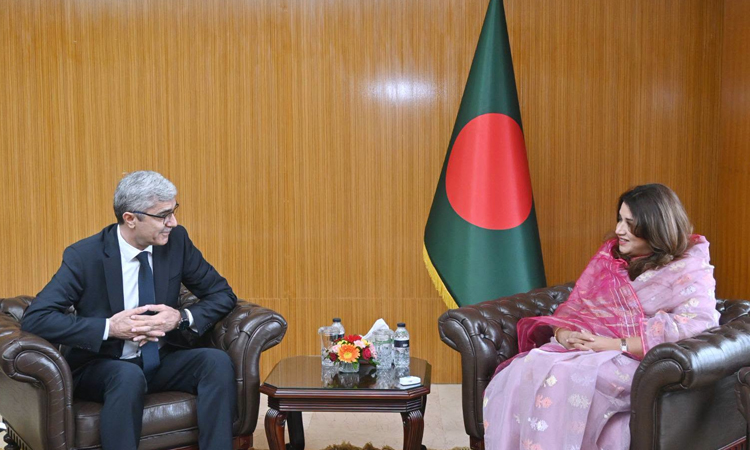
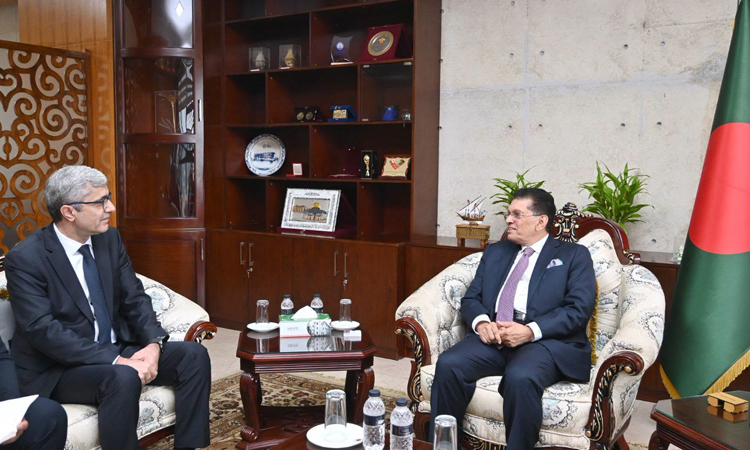
Earlier this month, the Foreign Minister of Turkiye paid an official visit to Bangladesh and toured the Rohingya camps in Cox's Bazar, he mentioned.
"We hope this visit will lead to increased humanitarian assistance from Turkiye for the Rohingyas," he added.
In addition, a high-level conference was held at the United Nations last September to ensure the rapid and safe repatriation of displaced Rohingyas, he said.
"We will continue organizing similar high-level initiatives through the UN and other global platforms to mobilize international public opinion more effectively," he said.
The premier emphasized that Bangladesh is placing special importance on ensuring justice and accountability by addressing the root causes of the crisis.
"To this end, Bangladesh continues to extend its moral support to The Gambia's case before the International Court of Justice," he said.
"We believe that a sustainable and effective solution to the Rohingya crisis lies in Myanmar's Rakhine State. Therefore, we have intensified our diplomatic efforts to encourage the international community to increase pressure on Myanmar to create conditions conducive to the safe, voluntary, and sustainable repatriation of the Rohingyas," he said.
He said Bangladesh remains actively engaged in establishing communication and discussions not only with Myanmar authorities but also with all relevant stakeholders on the bilateral front.
He said alongside traditional diplomacy, confidence-building measures are under consideration.
Verification of Rohingya identities is progressing regularly as a key prerequisite for repatriation, while third-country resettlement and repatriation initiatives are also continuing, he said.
Describing Rohingya repatriation as an extremely complex, sensitive, and multidimensional international issue, the Prime Minister said, "The pace of its resolution depends largely on the security situation in Rakhine State, international pressure, and, above all, the position of the Myanmar authorities."
"Creating a stable environment in Rakhine requires an effective dialogue between the Myanmar government and the Arakan Army. To this end, we have strengthened dialogue with the relevant countries. The current government's goal is to initiate the permanent, safe, and sustainable repatriation of the Rohingyas," he said.
The Prime Minister said that the government has adopted carefully considered, practical, and multidimensional measures to maintain security in the Rohingya camps and address the humanitarian crisis.
He noted that the National Committee on the Coordination, Management and Law and Order of Forcibly Displaced Myanmar Nationals, headed by the Home Minister and comprising the relevant ministries, is playing an active role in maintaining law and order inside the camps, preserving harmonious relations with host communities, and ensuring prompt implementation of decisions.
He added that the National Taskforce, comprising the Ministry of Foreign Affairs, the Ministry of Home Affairs, the United Nations, and other stakeholders, is continuously overseeing field-level activities to strengthen strategic coordination, deliver humanitarian assistance, and accelerate the repatriation process.
The Prime Minister concluded by saying that the current government is working diligently to achieve a realistic and lasting solution to the Rohingya issue so that the large number of forcibly displaced people can return to their homeland with dignity.