News Flash
Obaidur Rahman
DHAKA, April 23, 2026 (BSS)- Amid the global fuel crisis caused by Middle East war, the government has continued to large scale import of fuels to meet the country’s fuel needs in addition to multifaceted measures including regulatory steps.
Middle East war has created instability in the global energy supply system. Due to the import-dependent energy system, high fuel prices in the international market are already put a major impact on the country's economy and people’s daily life.
In such situation, the government is urgently importing a large amount of liquefied natural gas (LNG) to maintain the continuity of energy supply and ensure enough stock of fuel for at least a few months.
The government is procuring fuel from different countries, including USA, Australia, Angola, UAE, Kazakhstan and Oman through direct purchase.
Sources at Bangladesh Oil, Gas and Mineral Corporation (Petrobangla) said the government has procured 20 cargoes of LNG from Australia, the USA and Angola. Nine cargoes of LNG were purchased in April, of which six have already arrived in the country. The rest will arrive soon.
On the other hand, the government will import 11 cargoes of LNG in May. Strong efforts are being made to produce gas from local sources. At the same time, once the ongoing efforts to import from new sources are implemented, it will help reduce dependence on Middle Eastern-based energy in the future.
Petrobangla Chairman Md Arfanul Hoque told BSS that there is no worry about gas as there is sufficient stock. Some 11 cargoes of LNG have been confirmed for May. Gas is also being supplied to power plants as planned.
Along with imports, the government is also giving special importance to controlling supply and demand. Office hours are being reduced, banking hours are being limited, and markets and shopping malls are being kept open for specific hours. These steps are directly having a positive impact on energy use.
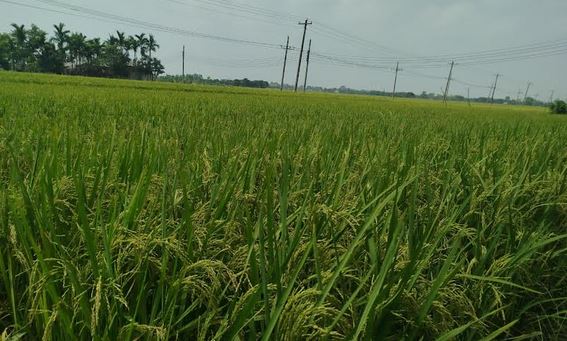
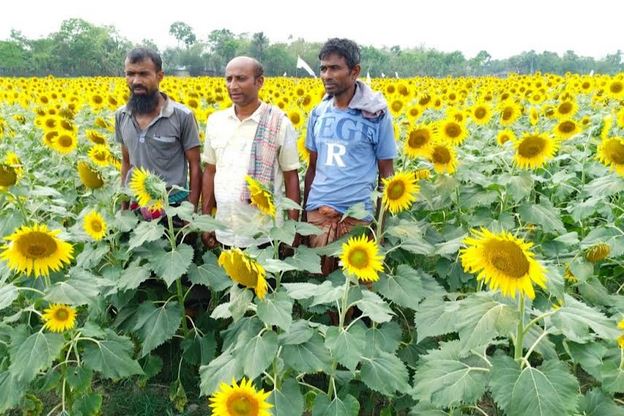
The government has made special preparations for the management of energy demand in April, prioritizing the agricultural sector. Due to the agricultural season, there is the highest demand of diesel now. The government has already made arrangements to meet the diesel demand for April. Deputy Commissioners were instructed to ensure that farmers do not face any fuel crisis.
Bangladesh Petroleum Corporation (BPC) sources said three tankers carrying more than one lakh tonnes of diesel and octane arrived at the outer anchorage of Chittagong Port last Tuesday.
In addition, 25,000 metric tonnes of refined diesel has been imported from India's Numaligarh Refinery Limited this month. In two phases 13,000 metric tonnes of diesel have already arrived at Parbatipur depot in Dinajpur.
The government has reduced the period of international open tender for the import of fuel from 42 days to 10 days. As a result, the process of procurement of refined fuel is accelerating and the supply system is getting faster.
The government has put emphasis on renewable energy. Currently, 1445.07 megawatts of electricity is being generated from solar system. Steps have been taken to generate 10,000 megawatts of power from solar system by 2030.
When asked, Energy and Mineral Resources Division spokesperson and Joint Secretary Monir Hossain Chowdhury told BSS that regular imports are being ensured in a planned manner since the beginning of the year.
The government has already increased supply along with adjusting fuel prices. There are plans to increase supply further in the future, he said adding that storage capacity has been increased so that at least three months of fuel can be stored.
About fuel sources, Monir Hossain said Bangladesh is not dependent only on the Middle East countries as only crude oils are mainly brought from the Middle East. Refined fuel is being imported from various countries, including Indonesia, Malaysia, China and Singapore, he said adding there will be no disruption in fuel imports.
He said there has been no possibility of cutting off normal fuel supply. There is no major crisis at present. Excessive panic or illegal hoarding often creates instability. As a result of the government's multifaceted initiatives, there will be no problem in fuel supply for the next two to three months,” he said.
Austerity measures are also an important part of this government's strategy, Monir Hossain said, efforts are being made to reduce the pressure on overall energy management by reducing unnecessary electricity use, limiting lighting and reducing government expenditure.
At the same time, he said, initiatives like introducing electric buses can play a positive role in saving energy and protecting the environment in the long run.
Again, vigilance teams have been formed across the country to ensure that no one can create an artificial crisis by hoarding fuel. Tag officers have been appointed to ensure fuel supply to the pumps. Regular mobile courts are being conducted to prevent fuel hoarding. Border Guard Bangladesh (BGB) and Coast Guard patrol have been strengthened in border areas to prevent smuggling of fuel.
Some 576,993 liters of illegally stored fuel have been recovered in the nationwide drive till April 21. In addition, awareness programmes are being conducted among the people through the local administration on fuel consumption.
Dhaka University Honorary Professor and Energy Expert Dr Badrul Imam welcomed the initiatives of the government. He said these initiatives should work but it will not happen overnight.
“If the initiatives are implemented properly, the crisis will meet up to a large extent,” he said adding all should definitely be economical in fuel consumption.
Sources in the Fuel and Mineral Resources Division said as of April 22, there is a stock of 1,54,808 metric tonnes of diesel, 25,077 metric tonnes of octane, 19,201 metric tonnes of petrol, 53,135 metric tonnes of furnace oil and 17,484 metric tonnes of jet fuel in the country.